

A glance in the mirror after a pregnancy, a growth spurt, or rapid weight changes often shows us that life leaves its marks. Nearly everyone has stretch marks, which are considered natural signs of how adaptable our skin truly is. For your daily, mindful body care routine, you'll find honest tips here that genuinely help in everyday life.
Want the Quick Version? The Key Facts About Stretch Marks in 15 Seconds
- What they are: Stretch marks are caused by microscopically fine tears in the deep layer of the skin (the dermis).
- The causes: Rapid stretching of the tissue, genetic predisposition, and hormonal influences are considered the main triggers.
- The truth: No cosmetic product can remove existing stretch marks or reverse them completely.
- Suitable care: Pure plant oils and moisture-binding lotions can visually harmonize the skin's appearance and provide intensive nourishment.
What Are Stretch Marks – and How Do They Form?
To understand what stretch marks – known in dermatology as striae (or striae cutis distensae) – actually are, we need to take a look beneath the visible surface of the skin. Our skin is elastic, but even this biological flexibility has its natural limits.
What Happens at the Tissue Level
Our skin is made up of several layers. The middle layer, known as the dermis, is primarily responsible for elasticity and firmness. Within it lies a dense network of collagen fibers (providing firmness) and elastin fibers (providing stretch). When the body's circumference increases faster than this biological network can accommodate during certain phases of life, the tissue becomes overstretched.
The fibers in the dermis can no longer withstand this extreme tension, and fine tears form in the connective tissue. Since the outermost layer of skin, the epidermis, remains intact, we see these tears shimmering through as lines. In the early stage, they typically appear reddish-blue or violet, as the underlying blood vessels show through the stretched tissue. Over time, these vessels fade and the marks take on a light, silvery-white hue reminiscent of fine scar tissue.
Who Gets Stretch Marks?
These lines are not the result of inadequate skincare. In reality, they can affect anyone, since the structure of our connective tissue is largely governed by internal factors. The most common triggers include:
- Pregnancy, during which the skin on the abdomen and breasts must stretch significantly within just a few months.
- Rapid growth spurts during puberty.
- Quick weight changes that place acute demands on the tissue.
- Intensive, rapid muscle growth, particularly around the shoulders, arms, and chest.
- Hormonal changes, such as elevated cortisol levels (e.g. from stress or medication), which can reduce the elasticity of the fibers.
- Individual genetic predisposition, which determines the natural baseline strength of your connective tissue.

Can Stretch Marks Be Removed?
When searching for solutions, you'll inevitably come across countless promises online about removing stretch marks. Honesty is especially important to us here: stretch marks cannot be removed by cosmetic products alone.
Since the underlying issue involves tears in the deeper layers of tissue, no cream can simply knit those torn fibers back together seamlessly. Medical procedures such as professional laser treatments, medical microneedling, or therapies carried out by a dermatologist may positively alter the visual appearance and depth of the marks – but these should only ever be performed by qualified specialists.
That said, what high-quality, physiologically sound skincare genuinely can do still matters: it can intensively nourish the skin, support its elasticity, and keep the tissue supple. Fresh, still-reddened marks in particular can be gently accompanied through targeted moisture care, so that the surface texture of the skin as a whole can feel smoother and more even.
What Helps With Stretch Marks – and What Doesn't?
When searching for answers about what can help with stretch marks, it's easy to lose track amid the many beauty myths. Not everything that's popular holds up to scientific scrutiny.
A Preventive Approach
The most promising path lies in preparing the skin in good time. If you already know that a phase of significant physical change is approaching – whether through a planned pregnancy or intensive exercise – starting a care routine early can be beneficial. Well-hydrated skin cells that are richly supplied with lipids remain flexible. A resilient hydrolipid barrier may be far better equipped to handle extreme stretching and keep the tissue supple through these phases. A lightweight body lotion such as Moisten Your Body works well as a straightforward daily base: it bonds with the skin's proteins and can reliably protect the barrier from drying out.
What Has Proven Its Worth in Skincare
There are established ingredients and methods in skincare that have proved their value when it comes to supporting stretched skin:
- High-quality plant oils: They mimic the skin's own lipids, integrate seamlessly into the barrier, and can support the skin's stretchability. Cold-pressed oils such as the Maragosa Öl and Buricuja Öl from Chris Farrell are considered particularly skin-compatible formulations.
- Panthenol: Regarded as a moisturizing agent that can noticeably soothe the skin's feel and support the natural regeneration of the upper layers.
- Glycerin: Binds moisture deep within the cells and can protect the skin from drying out.
- Pinching and stroking massages: Stimulate local microcirculation (blood flow) in the tissue and can help ensure that the skincare components are absorbed optimally.
Stretch Mark Oil & Massage: Supporting Your Skin the Right Way
The combination of a high-quality stretch mark oil and the right massage technique forms the cornerstone of any body care routine. The mechanical movement itself often makes the greatest contribution to tissue support.
The Right Massage Technique
Simply rubbing a product superficially over the skin is usually not enough to reach the deeper tissue. A more effective approach is a gentle, circular massage or a so-called pinching massage (carefully lifting the skin between thumb and forefinger), which you should perform at least three to four times a week – ideally every day. Through these gentle movements from the inside outward, circulation is stimulated. The tissue is better supplied with nutrients, and the applied lipids can distribute themselves more evenly within the skin barrier.
Oil on Damp or Dry Skin?
A key practical tip: never apply body oils to completely dry skin. Pure oil cannot bond optimally with the skin barrier without moisture, and may actually draw water out of the skin over time. Instead, always massage your oil into skin that is still slightly damp after showering or bathing. This spontaneously creates a very fine emulsion that absorbs quickly and locks moisture deep into the tissue.
Our Product Recommendations
To give your body the care it needs during phases of change, you can rely on our specially tailored products:
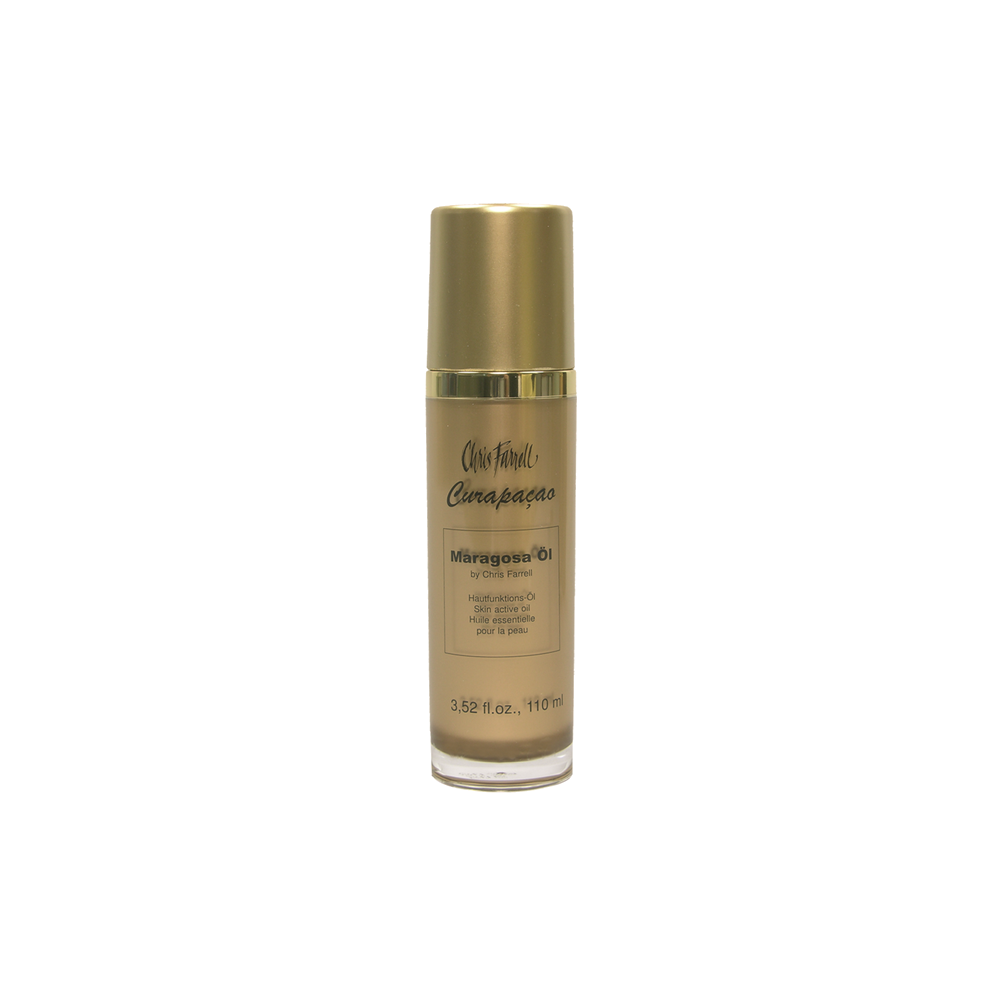
- Maragosa Öl: This natural, cold-pressed body oil is ideal as a daily massage oil for affected areas of skin. It nourishes the skin intensively and is known for gently supporting the skin's natural keratinization process (healthy cell renewal).
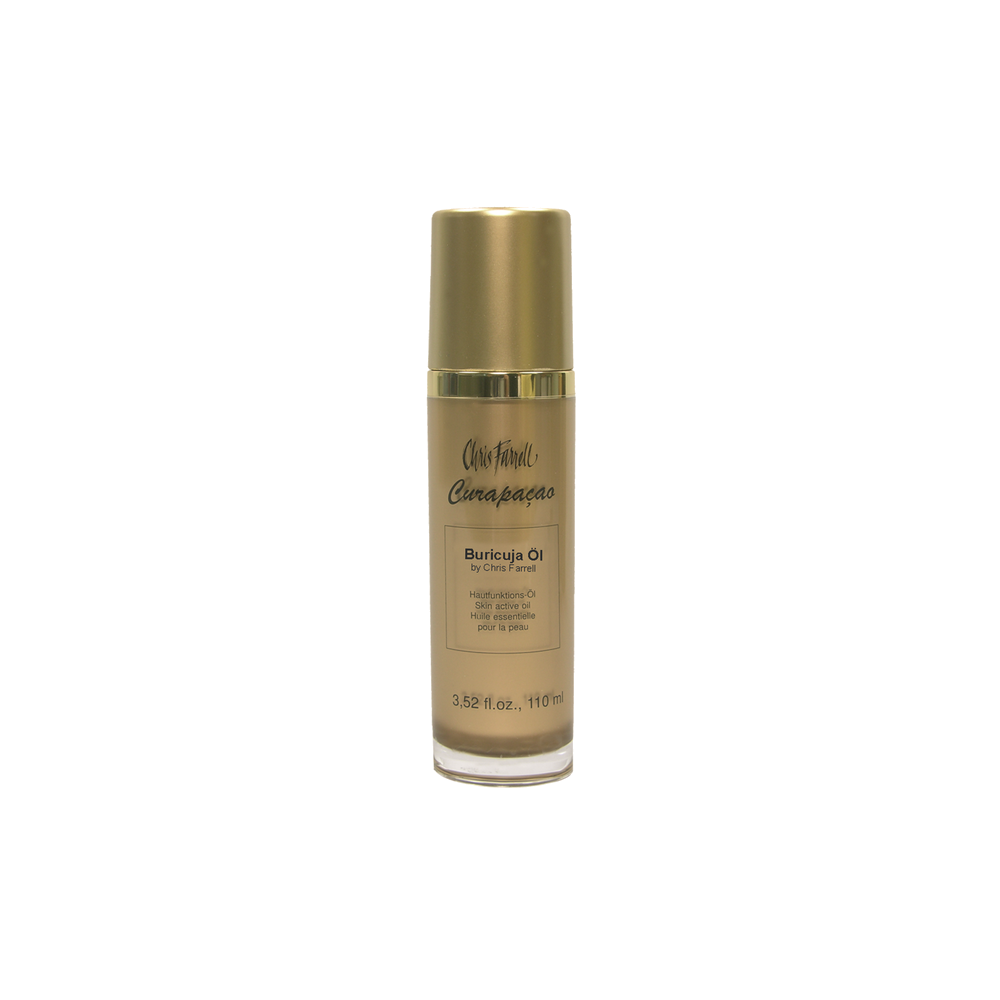
- Buricuja Öl: A vitalizing body oil that indulges the senses with its subtle vanilla scent. It can be used wonderfully for an activating stimulation massage, has a gently warming effect on the skin, and can pleasantly revitalize tired tissue.
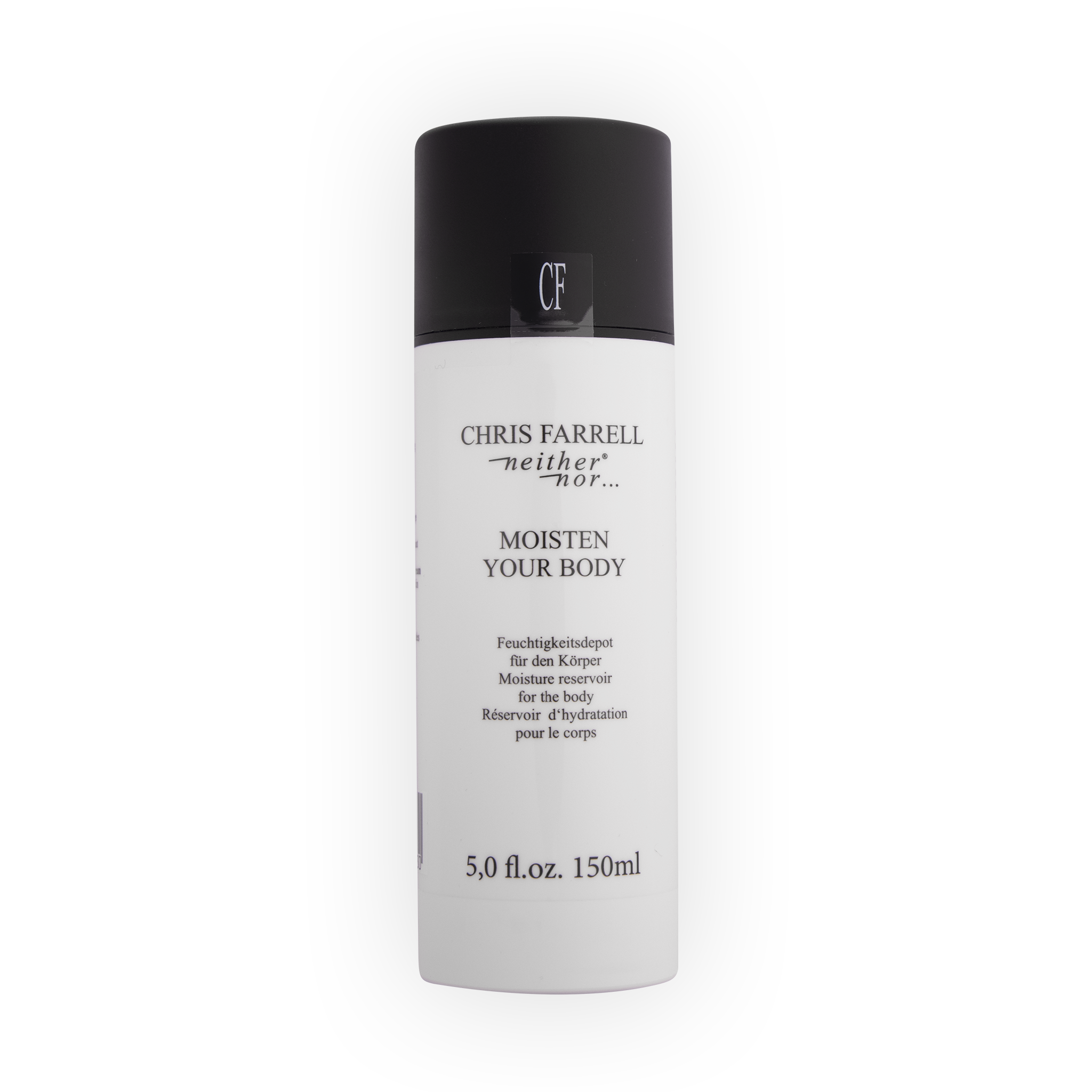
- Moisten Your Body: Our lightweight body lotion for effortless, everyday moisture care. It bonds excellently with the skin's own proteins, protects the barrier from drying out, and accompanies the skin as a nourishing moisture base throughout the day.
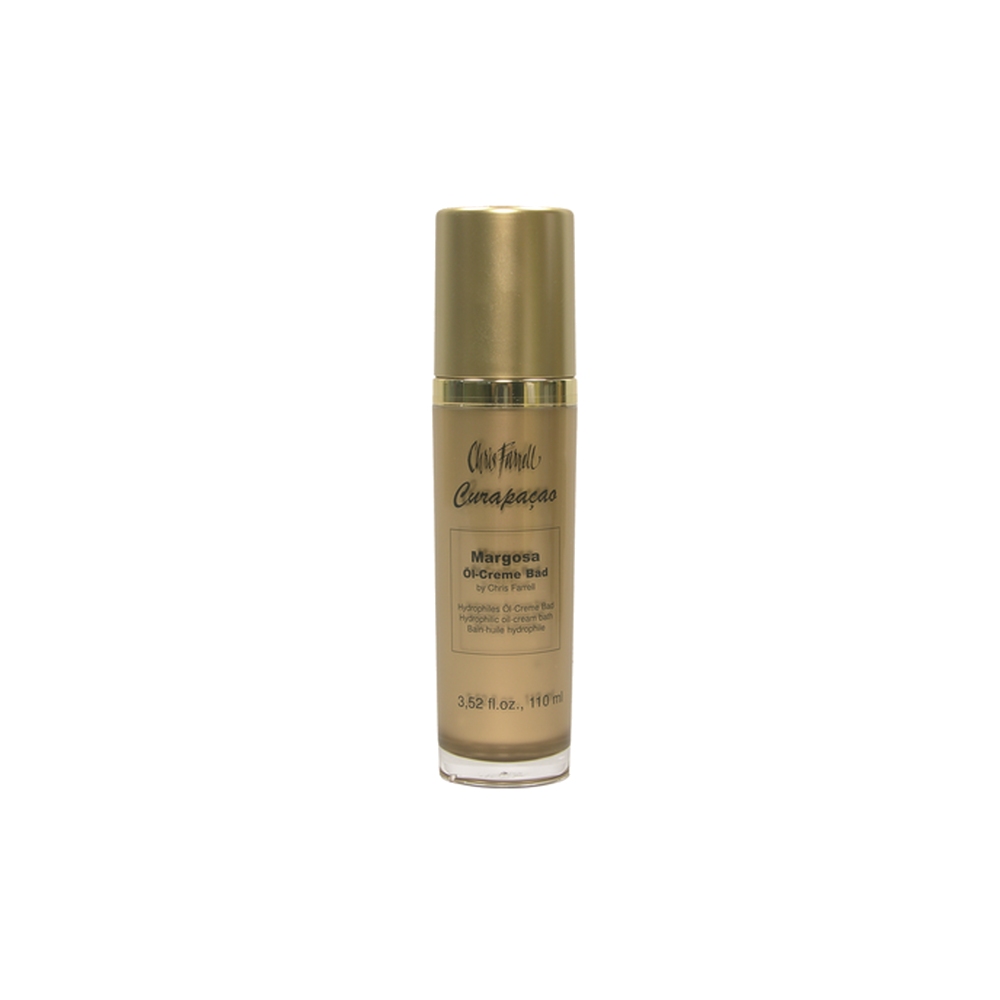
- Margosa Oil-Cream Bath: Treat yourself to an intensive care ritual once a week. This rich oil bath nourishes the skin barrier intensively while you bathe, can protect it from the depleting effects of warm water, and prepares your body for the subsequent oil massage.
The Right Skincare Routine for Stretch Marks
A reliable routine doesn't have to take up much time, but it should be followed consistently. Here is what your physiological body care plan could look like:
- Daily after showering: Apply the moisturizing Moisten Your Body lotion to your still-slightly-damp skin to keep the skin barrier supple throughout the day.
- 3–4 times per week: Take some time for an intensive massage of the areas under strain (abdomen, thighs, bottom, or breasts) using the nourishing Maragosa Öl or the warming Buricuja Öl.
- Once a week: Treat your skin barrier to a relaxing care bath with the Margosa Oil-Cream Bath to deeply relax the tissue and provide it with a rich supply of lipids.
Conclusion: Loving Care Instead of the Pressure of Perfection
Our skin does something remarkable every single day to protect us, adapting flexibly to every phase of our lives. Stretch marks are not a flaw to be fought at all costs – they are simply part of your own personal story.
Even if cosmetics cannot simply make these fine lines disappear, a physiological care concept built around rich oils, moisture, and gentle massages gives you the opportunity to give something back to your body. By consciously nourishing your skin barrier and keeping it elastic, you support it optimally in all its daily tasks – for a thoroughly comfortable, supple feeling in your own skin.
Not sure what your skin really needs? Then our professional skin analysis is the ideal starting point. Our skincare experts will assess your skin's condition and put together a tailored care routine just for you.
FAQ – Things You May Not Have Known About Stretch Marks
Our skincare experts at Chris Farrell answer your questions about stretch marks, how they form, and the right way to care for them.


