

What Are Pigmentation Spots?
Pigmentation spots are brownish discolourations of the skin. They develop when the skin pigment melanin is produced in greater quantities in certain areas or is distributed unevenly. Experts call this hyperpigmentation. Pigmentation spots appear mainly where the skin gets a lot of sun: on the face, the backs of the hands and the décolleté. That is why many people look specifically for a cream for pigmentation spots on the face.
What Types of Pigmentation Spots Are There?
Freckles
Small, light brown dots that are genetically determined and become more intense in the sun. They often fade again in winter.
Age Spots
Age spots, also known as sun spots, are caused by years of UV exposure and usually appear on the face and hands from the age of 40. Find out more in our guide What helps with age spots on the face?
Melasma
Large, mostly symmetrical discolourations on the forehead, cheeks or upper lip. Melasma often occurs with hormonal changes, for example during pregnancy, when taking the pill or during menopause, and is intensified by the sun.
Post-Blemish Marks
Dark spots that remain after inflammation such as pimples or small injuries. Experts call them post-inflammatory hyperpigmentation. You will find care for blemish-prone skin under Blemished Skin & Acne.
How Do Pigmentation Spots Develop?
Melanocytes are responsible for the colour of our skin – special cells that produce melanin. Various factors can cause them to produce more pigment in certain areas:
- UV radiation: The most important cause. Sunlight stimulates melanin production, and over the years this can lead to permanent spots.
- Hormones: Pregnancy, contraceptives or menopause influence pigment formation. You will find suitable care for this stage of life under Skincare Over 50.
- Inflammation and injuries: After pimples, scratches or irritation, the skin can react with increased pigmentation.
- Skin ageing: Over the years, pigment is distributed more unevenly.
- Predisposition: Some people are genetically more prone to pigmentation spots.
- Medication and fragrances: Some active substances and perfumes can make the skin more sensitive to light and trigger spots in combination with sun exposure.
Important: if existing pigmentation spots continue to be exposed to the sun without protection, they can darken.
What Helps with Pigmentation Spots?
There is no single remedy for pigmentation spots. A more even complexion is best achieved with a coordinated routine:
- Daily sun protection: The most important measure to prevent new spots and stop existing ones from darkening.
- Targeted serum: Applied locally to the affected areas.
- Nourishing day cream: Supports the skin barrier and keeps the skin supple.
- Patience: The skin renews itself roughly every four weeks, so changes only become visible gradually.
- Professional support: For stubborn spots, a beautician or dermatologist can help.
Cosmetic care can help even out the skin tone and support the complexion. How much spots change depends on how deep the pigment lies in the skin.
The Right Care for Pigmentation Spots
Serum for Pigmentation Spots
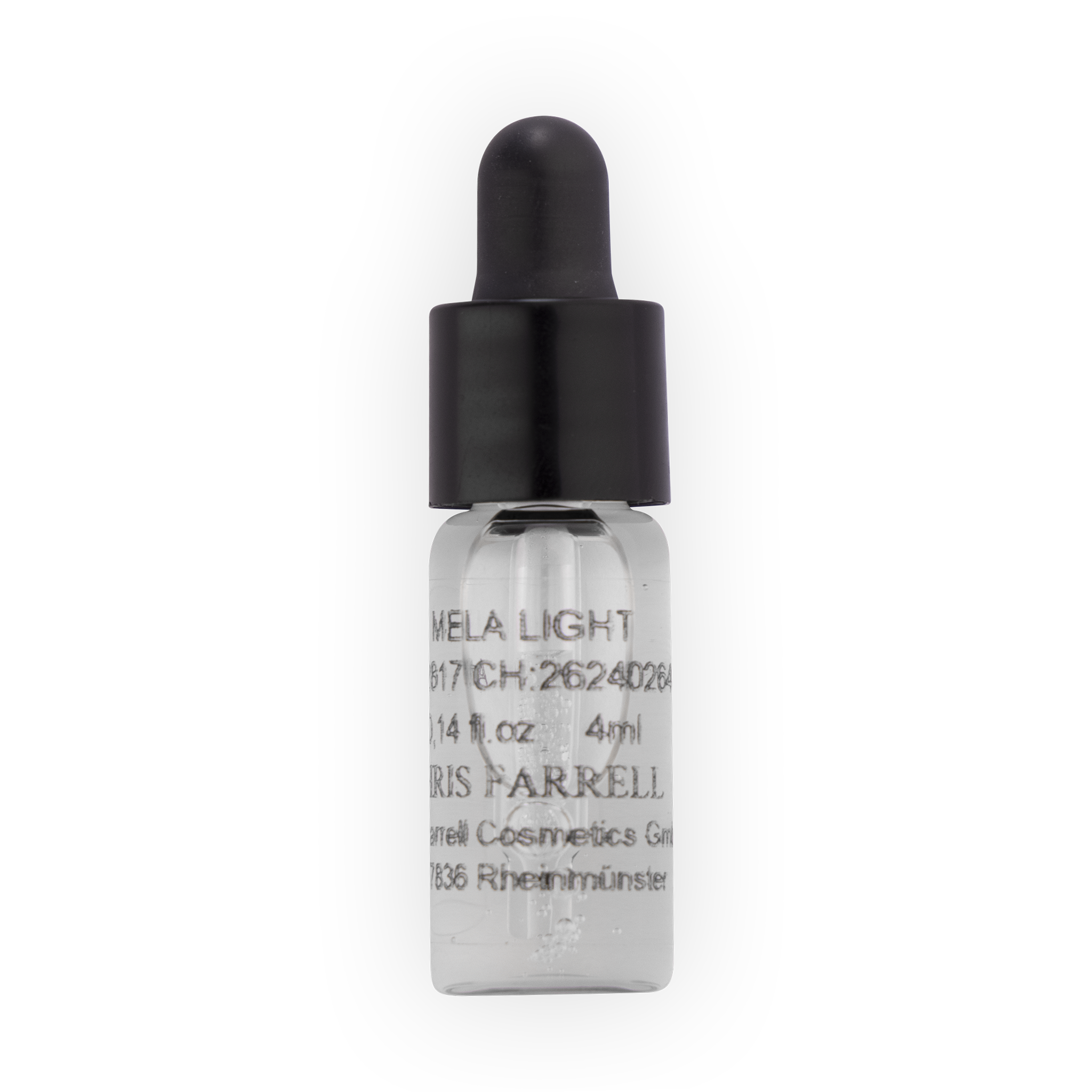
Concentrate Mela Light is our serum for pigmentation spots. This lightweight pigmentation serum contains a complex of seven plant extracts, including yarrow, lady's mantle and lemon balm, and is designed to support a more even complexion. As an anti-pigmentation serum, it is suitable for age spots, freckles and melasma. Ideally, apply it locally to cleansed skin in the morning, and during the day if needed.
Face Cream for Pigmentation Spots: The Right Day Care
The serum is followed by a nourishing face cream for pigmentation spots that supports the skin barrier. Vitin Rich provides dehydrated skin with avocado oil, vitamin E and calendula and is ideal as a rich base. Revitam A contains retinyl palmitate, a mild form of vitamin A designed to support the skin's natural renewal. This makes your anti-pigmentation cream part of a well-thought-out routine.
→ More about vitamin A: Retinol
Sunscreen for Pigmentation Spots
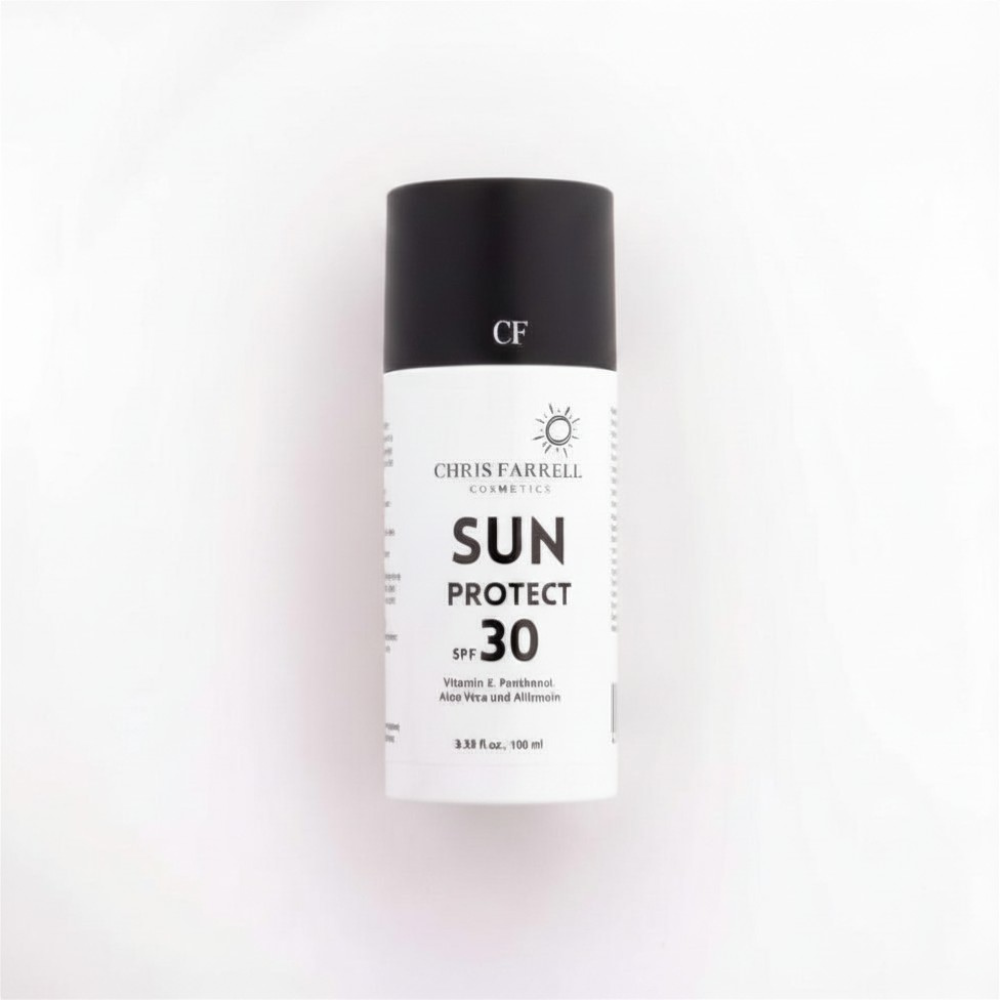
The most important cream for pigmentation spots is daily sun protection. Sun Protect 30 with SPF 30 protects the face and body from UV radiation while caring for the skin with vitamin E, panthenol and aloe vera. As a sunscreen for pigmentation spots, it is the last step in your morning routine – even on cloudy days.
Complementary Care: Tonic & Mask
The alcohol-free Soft Skin Tonic with rose extract and niacinamide prepares the skin for serum and cream after cleansing. For mature skin, Vivienne Regeneration Mask with micro-encapsulated coenzyme Q10 complements the routine one to three times a week.
→ More care: Tonic | Masks | Mature skin


