

Do you know that feeling when your skin looks paper-thin, almost transparent, and tends to bruise or tear at the slightest touch? What feels as fragile as fine paper is quite accurately called "parchment skin" by those affected. This form of skin atrophy requires special protection and a skincare routine that goes far beyond the ordinary.
In this article, you will learn about the main causes of parchment skin and how to protect your skin from injury in daily life. We will show you what really matters when caring for paper-thin skin and how to find the best cream for parchment skin to sustainably strengthen your skin barrier.

Parchment Skin – What to Do? A Quick Overview
When the skin becomes thinner, more fragile and more prone to injury, these three steps are key:
- Cleanse gently: No soap, no hot water – use a replenishing cleansing milk instead of harsh products
- Provide intensive moisture: Hyaluronic acid serums can help to plump the skin from within
- Build a lipid shield: A rich cream that compensates for the lack of natural fats and strengthens the barrier
You will find the detailed instructions further down in the care section.
What Exactly Is Parchment Skin (Skin Atrophy)?
Skin atrophy, or parchment skin, is the medical term for an extreme form of skin thinning. Think of your skin as a protective cushion that normally consists of several stable layers. With parchment skin, however, this cushion has shrunk so significantly that the skin becomes almost as translucent and fragile as delicate tissue paper.
In the deeper layers of the skin, the tissue and the protective subcutaneous fat continue to recede. This has noticeable consequences in everyday life:
-
Visibility: Veins and tendons shimmer clearly through the skin.
-
Texture: The surface appears finely wrinkled and loses its elasticity.
-
Sensitivity: Because the natural barrier is missing, even a slight bump can cause tears or bruises.
-
Moisture Loss: The thin skin can barely retain water and therefore often feels extremely dry.
Parchment Skin Causes: Why Does the Skin Become So Thin?
There is no single cause for the development of parchment skin. Often, various factors come together over time, causing your skin's biological cushion to fade. Once you understand why your skin is thinning, you can protect it more effectively.
Natural Skin Aging
As the years pass, the metabolism of our skin cells slows down. The production of collagen and https://pubmed.ncbi.nlm.nih.gov/28224986/ decreases – a well-documented process that researchers describe as age-related skin atrophy. At the same time, the sebaceous glands produce less fat, causing the skin to lose its suppleness and become more susceptible to external stimuli.
UV Radiation and Light Damage
Have you spent a lot of time in the sun? UV rays are one of the greatest enemies of skin density. They penetrate deep into the skin layers and can permanently damage the connective tissue – a process known as solar elastosis that is well-established in dermatology. This is often referred to as "photoageing".
Medication Influences (e.g., Cortisone)
A common cause of parchment skin from cortisone is the long-term use of certain medications. Cortisone preparations in particular can, with prolonged use, inhibit cell division and essentially "starve" the tissue – a mechanism known as steroid-induced skin atrophy. Blood thinners also play a role: while they do not directly thin the skin, they mean that even the smallest knock can result in widespread bruising.
Lack of Fluids and Nutrients
Your skin needs "fuel" from the inside out. If you do not drink enough water or if your body lacks essential vitamins and healthy fats, the skin loses its plump appearance. It dries out and quickly begins to look like parchment.
Particularly Affected: Where Parchment Skin Occurs Most Frequently
Parchment skin does not appear evenly across the entire body. It primarily develops where the protective subcutaneous fat tissue is naturally thinner or where the skin has been exposed to a lot of sun over the years. Do you recognize these typical areas?
-
The Shins: This is the most frequently affected zone. Since there is barely any cushioning fat between the bone and the skin here, even minor bumps (such as against the edge of a bed) lead to painful tears or hematomas.
-
The Backs of the Hands: Our hands are constantly in use and exposed to UV radiation. Here, the skin often becomes so transparent that veins and tendons stand out prominently.
-
The Forearms: Especially on the outer sides, the tissue quickly loses its tear resistance due to sun damage.
-
The Face & Décolleté: In these areas, parchment skin often manifests as a finely wrinkled skin texture that looks dull and feels very tight.
In these exposed areas, the skin is particularly "starving." While a normal body lotion absorbs quickly, it often does not provide the long-lasting protection these fragile zones need. This is why targeted, active-ingredient skincare is so crucial here.

Caring for Parchment Skin: Your Routine for More Protection
When your skin thins, it loses its natural ability to retain moisture and defend itself against external irritants. The right care for parchment skin starts exactly here: we must replace the missing lipids (fats) and rebuild the skin barrier like a protective shield.
The golden rule here is: less is more. Avoid aggressive ingredients or harsh rubbing, and opt instead for a gentle, systematic three-step care routine.
Step 1: Gentle Cleansing
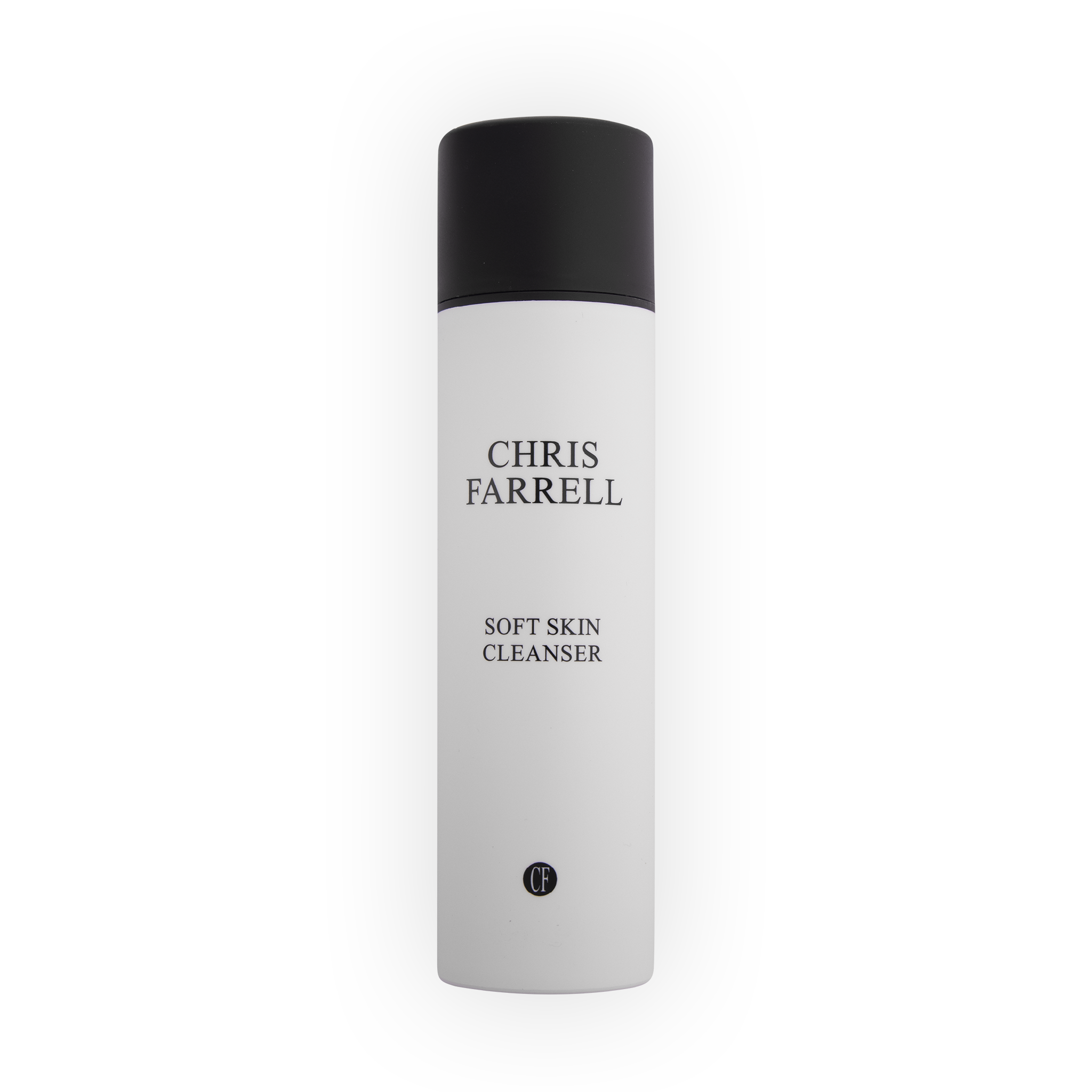
With parchment skin, the protective acid mantle is often extremely weakened. Conventional soap would only dry out the skin even further. Instead, use a lipid-replenishing cleansing milk like the Soft Skin Cleanser. It gently frees your skin from residue without stripping it of moisture. Afterwards, very carefully pat your face dry with a soft towel to prevent micro-tears.
Step 2: Channeling Moisture Deep into the Cells
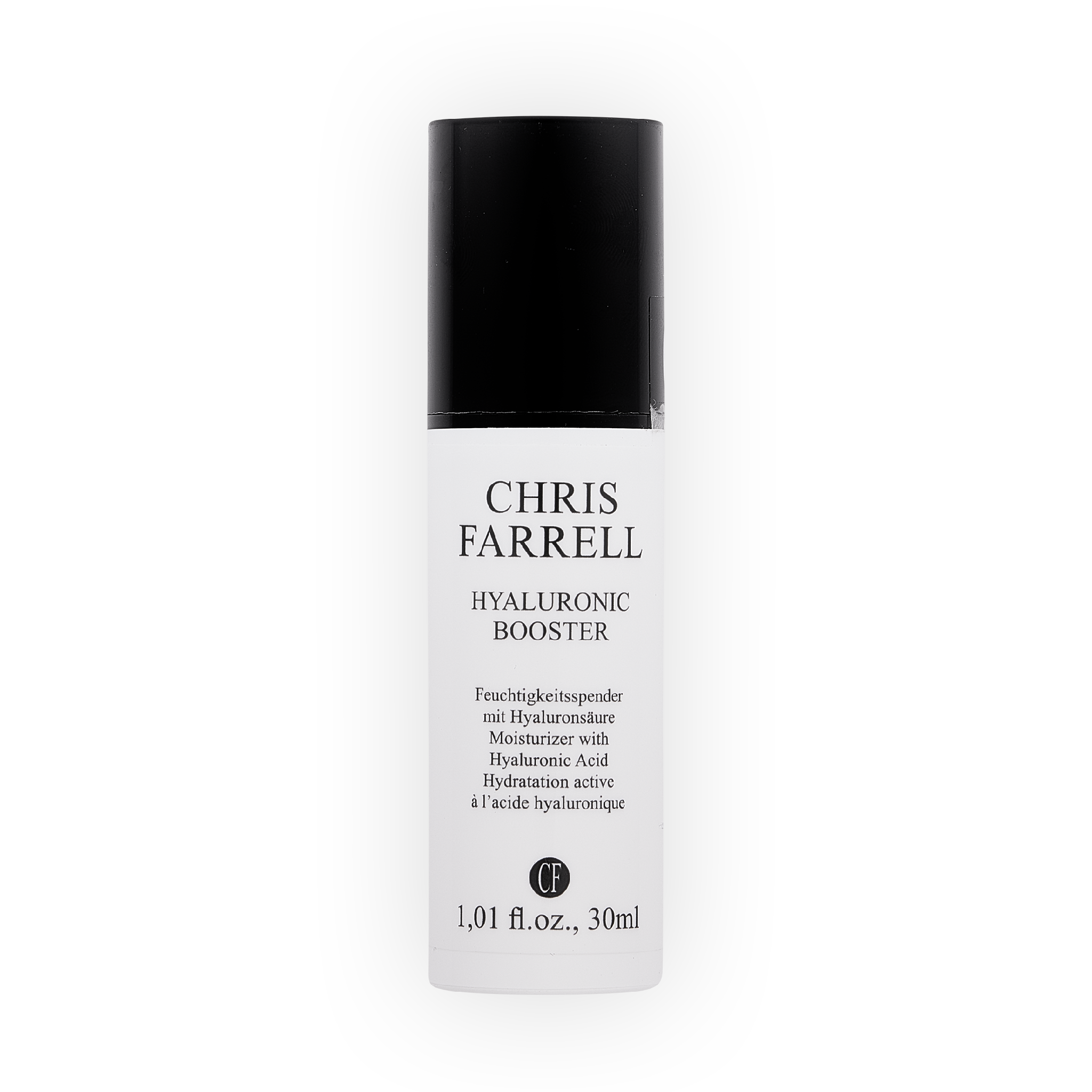
Before applying a protective cream, your skin needs a "thirst quencher." Since parchment skin can barely bind water, a lightweight serum helps. The Hyaluronic Booster floods your skin cells with moisture and plumps up the tissue slightly from the inside out. This reduces the typical feeling of tightness and makes the skin texture appear smoother.
Step 3: The Lipid Shield (Your Best Cream for Parchment Skin)
The core of your routine is a rich cream that compensates for the lack of the skin's own fats. Soft Regeneration 1 is the ideal choice here, as it was specially developed for the needs of thin skin.
Why is it often called the best cream for parchment skin?
-
Barrier Repair: It acts like "mortar" for your skin barrier, locking in moisture for the long term.
-
Intensive Lipid Replenishment: Precious lipids balance out the lack of oil and restore the skin's suppleness.
-
Protection Against Tears: The strengthened skin surface becomes more resilient to external mechanical stress.
-
Soothing Effect: Irritations and the typical feeling of tightness are noticeably reduced.
Professional Tip: For particularly stressed areas or as intensive protection in winter, you can enrich your cream with a few drops of Moon Drops—they seal in moisture and leave your skin feeling silky-soft again.
The Most Common Mistakes: What You Should Avoid with Parchment Skin
Often well-intentioned, certain daily habits can put additional stress on parchment skin. By avoiding these typical mistakes, you give your skin the rest it needs to regenerate:
-
Showers or Baths That Are Too Hot: Long, hot baths strip the skin of precious lipids. It is better to take short, lukewarm showers so as not to unnecessarily soften the natural protective film.
-
Aggressive Cleansing Products: Conventional soaps or highly foaming shower gels often have a pH value that is too high. They further "leach out" the already thin skin. Instead, consistently choose pH-skin-neutral and lipid-replenishing cleansers.
-
Harsh Rubbing: After washing, the skin is particularly soft and vulnerable. Rubbing vigorously with a rough towel risks causing micro-tears. It is much better to gently pat the skin dry.
-
The Wrong Choice of Bandages: Conventional adhesive bandages often have very strong glue. When peeled off, the top layer of skin can easily be torn away with it. For injuries, it is better to use silicone-based bandages or special non-woven retention tapes that can be removed gently.
-
Sun Exposure Without Protection: Because the skin is so thin, UV rays penetrate almost unhindered into the deeper layers. Consistent sun protection is a must, even on cloudy days, to prevent further tissue breakdown.
Unsure of Your Needs? Use Our Personal Skin Analysis
Every skin is as unique as the person it belongs to. Even though the symptoms of parchment skin often sound similar, needs can vary depending on lifestyle, age, and pre-existing conditions. If you are still unsure which active ingredients and products are best suited for your personal situation, we have a solution for you.
With the Chris Farrell Skin Analysis, we offer you the opportunity to receive a well-founded assessment of your current skin condition. This ensures you choose exactly the care that optimally supports and protects your skin barrier—for a secure feeling in your own skin.
Your Path to Resilient Skin
Parchment skin is a daily challenge, but it is no reason to give up. Even if your skin has lost substance, there is a lot you can do to protect it and restore its lost suppleness.
The key lies in the combination of gentle cleansing, intensive moisture, and a strong lipid shield. By adjusting your daily habits and relying on a physiological, systematic skincare routine that strengthens your skin barrier from the ground up, you will not only achieve a smoother skin texture but, above all, regain a great sense of confidence in handling your skin.
Take the time for a mindful skincare routine—your skin will thank you with a relaxed and protected feeling.


