

Do you know that feeling? You look in the mirror in the morning and see a red face: flushed cheeks, fine visible veins, an uncomfortable sensation of heat. Sometimes that suddenly red and hot face appears after exercise, after a glass of wine, or sometimes just for no obvious reason at all. So what's behind it – and more importantly, what can you do about it?
In this article, you'll find out what causes facial redness, what role rosacea and couperose play, and which five practical everyday tips can help you calm your skin in the long term.
What Causes Facial Redness?
Skin redness on the face can take many forms. Sometimes it's red patches on the face that come and go. Sometimes it's persistent red spots on the face, fine visible thread veins, or a diffuse burning sensation. Here's an overview of the most common causes:
Couperose – when fine veins become visible
Couperose develops when blood vessels become permanently dilated and visible near the surface of the skin – known as telangiectasia. It typically appears as fine reddish veins on the cheeks and nose. The skin is thin, sensitive, and reacts quickly to external stimuli.
Rosacea – when skin loses its balance
Rosacea is a chronic inflammatory skin condition that goes beyond couperose. It manifests as recurring bouts of redness, a burning sensation, heat, and in more advanced stages, pustules. Rosacea cannot be cured, but as a rule it can be very well managed.
There are also short-term causes of facial redness, including:
- Temperature changes and UV radiation
- Alcohol, spicy foods, or caffeine
- Stress and hormonal fluctuations
- Incorrect or harsh skincare products
The key difference: While short-term redness tends to disappear on its own, couperose and rosacea require a targeted, long-term skincare routine. That's exactly where our five skincare tips come in.

5 Tips for Everyday Life with Facial Redness, Rosacea and Couperose
Tip 1: Cleanse your skin as gently as possible
The first and most important step in your daily routine: cleansing. Harsh cleansing products – especially those containing soap, a high pH level, or abrasive scrubbing particles – can significantly worsen skin redness on the face. They break down the skin's natural protective barrier and make it more vulnerable to irritation.
Instead, opt for a soap-free, nourishing cleansing milk that removes impurities without putting stress on the skin.
👉 Discover the Soft Skin Cleanser – The soap-free cleansing milk protects the skin's natural acid mantle, cleanses gently, and cares for sensitive skin right from the first step of your routine.
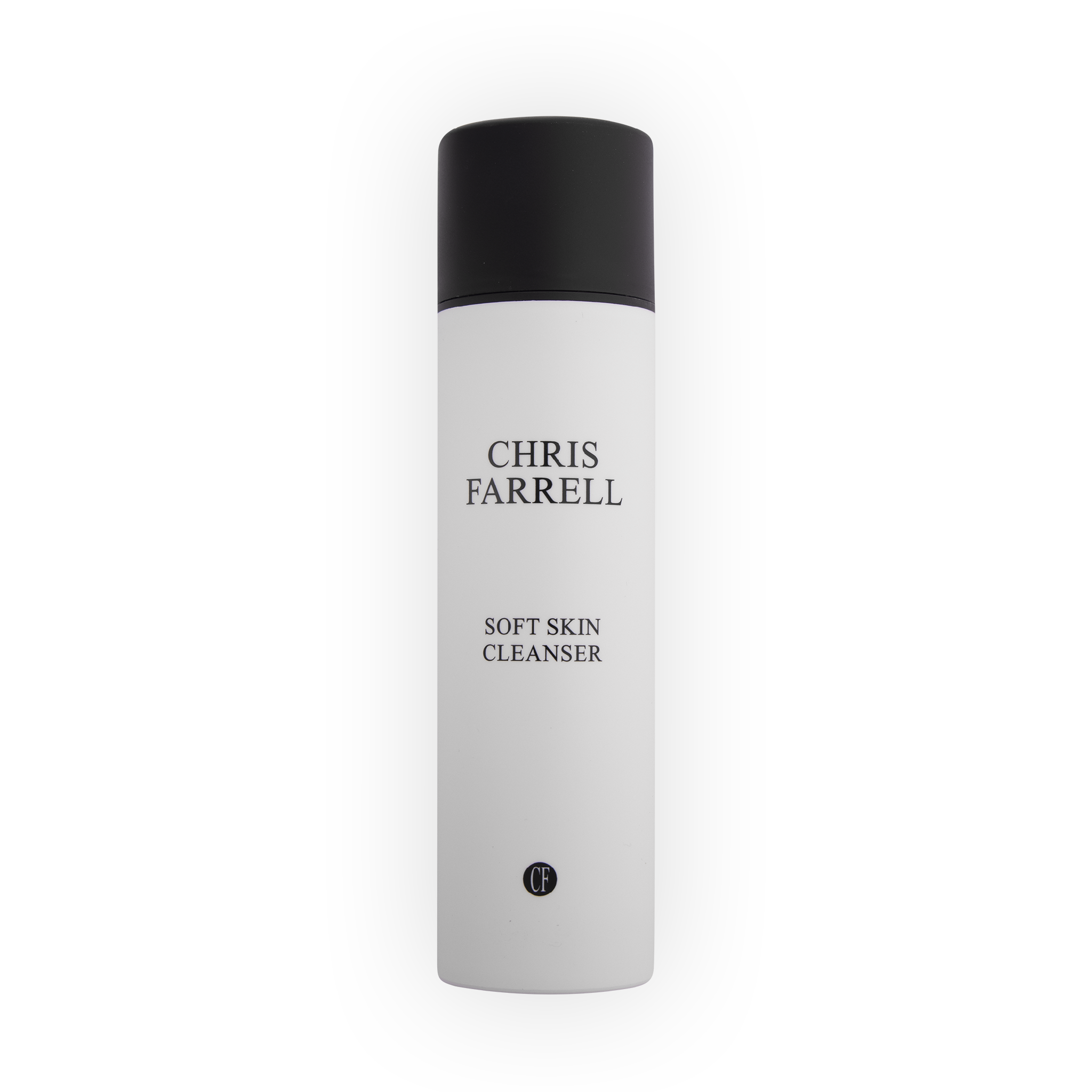
Our tip: Avoid hot water. Lukewarm water is far gentler on redness-prone skin. And always pat your face dry instead of rubbing – a soft towel makes all the difference.
Tip 2: Avoid alcohol in your skincare routine
Many toners, facial waters, and serums contain alcohol – and this can be a real problem for red spots on the face. Alcohol strips moisture from the skin, irritates the vessel walls, and can noticeably intensify facial redness.
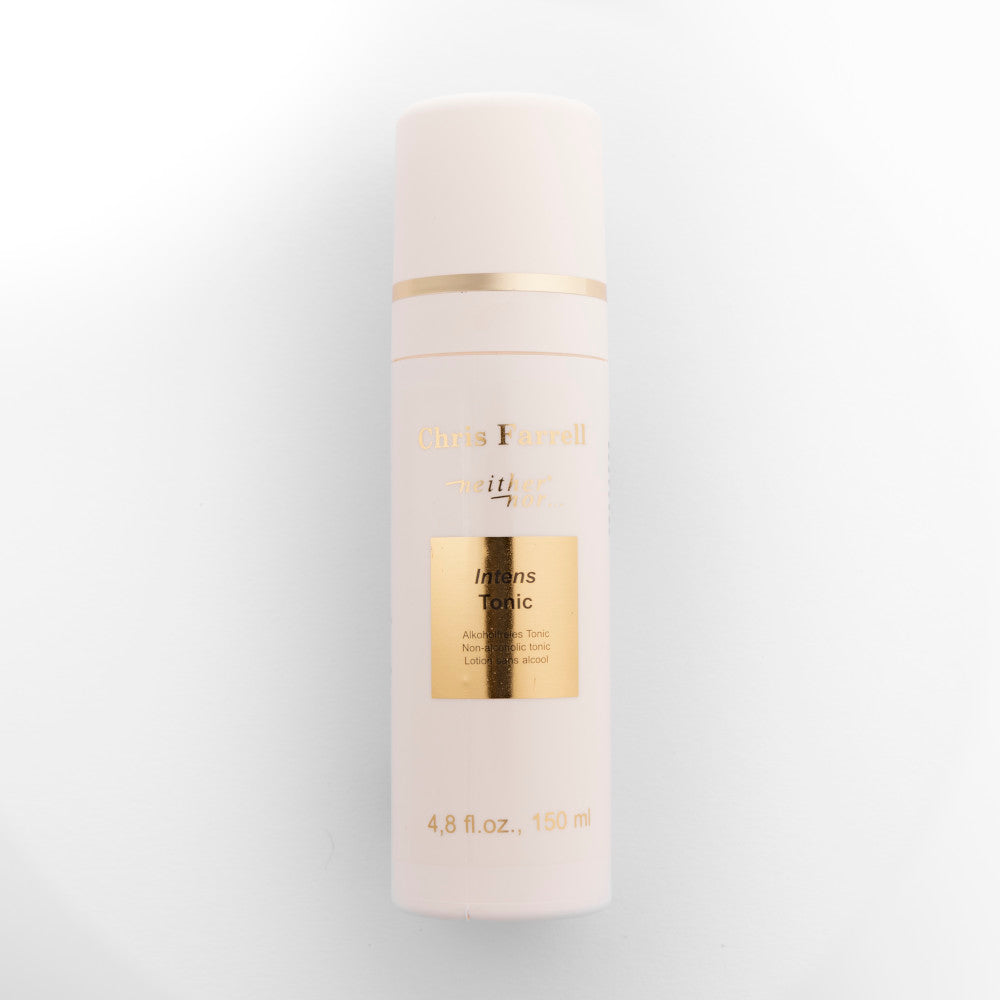
Instead, reach for an alcohol-free facial toner that soothes the skin after cleansing, replenishes moisture, and prepares it for the next steps in your routine.
👉 Discover the Intens Tonic – The alcohol-free toner with rose blossom essences and natural moisturisers refreshes and soothes sensitive skin without causing irritation.
Tip 3: Target acute flare-ups directly
Sound familiar? A stressful day, one glass of wine too many, or too much sun – and suddenly that suddenly red and hot face is back. In these moments, your skin doesn't need a heavy cream. What it needs is fast, soothing relief.
A light, cooling serum with aloe vera can be a real blessing here: it reduces the sensation of heat, calms irritated areas, and provides moisture without feeling heavy.
👉 Discover Concentrate L – The liposome-enriched aloe vera serum cools, soothes, and cares for sensitive and irritated skin immediately. Ideal after sun exposure too.
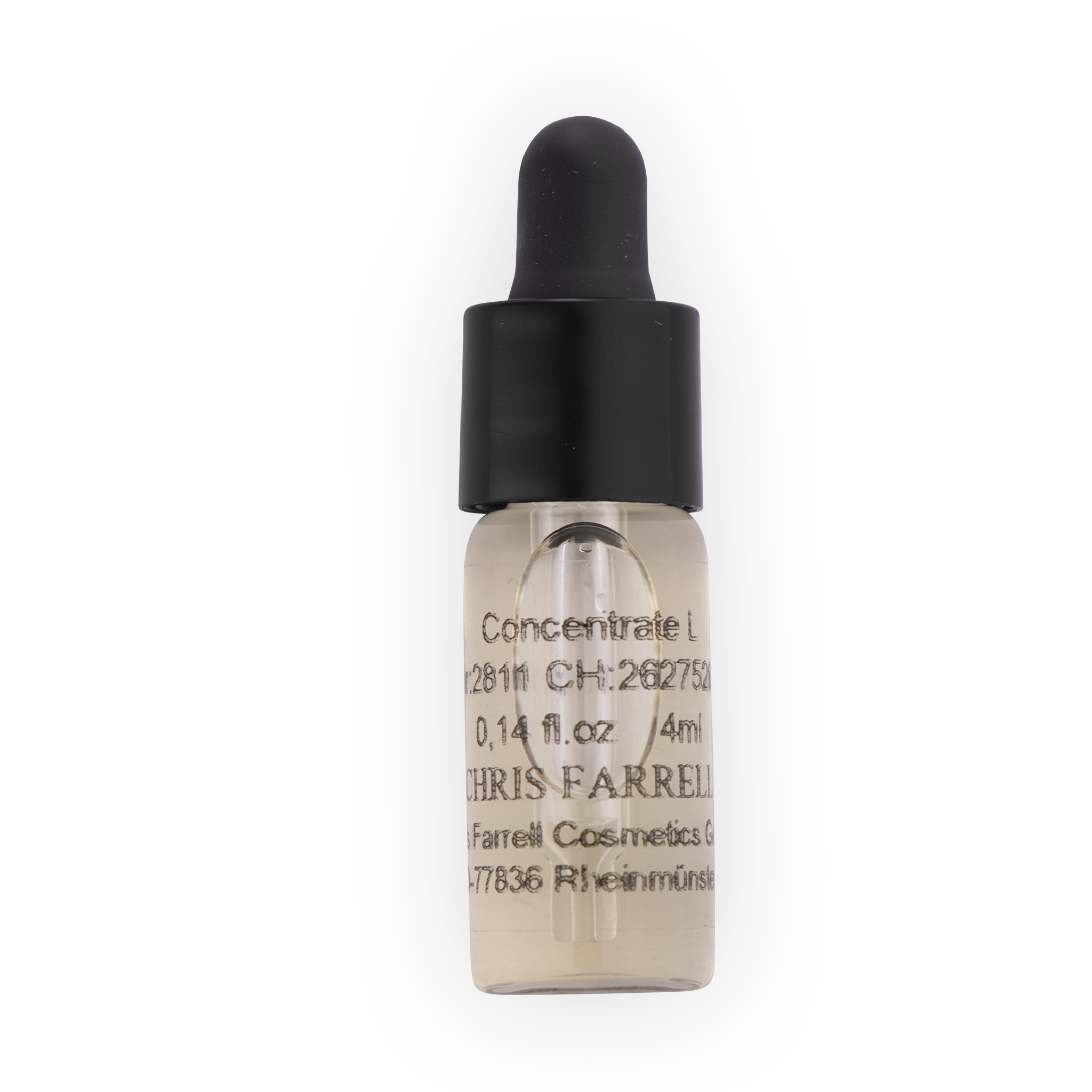
Our tip: This concentrate can also be stored in the fridge. The extra cooling effect enhances its soothing properties.
Tip 4: Support your capillary walls with targeted specialist care
Anyone who regularly suffers from red patches on the face or visible thread veins shouldn't just treat the symptoms – they should address the underlying cause: weakened capillary walls. Certain plant extracts can help reduce vessel permeability, ease congestion, and calm the complexion over the long term.
A specialist skincare product designed specifically for this mechanism of action is recommended here – ideally combined with a soothing mask as a weekly intensive treatment.
👉 Discover the Phytin Mask – The gentle face mask reduces visible redness, improves capillary permeability, and promotes a calmer, more even complexion. Ideal for couperose and rosacea.
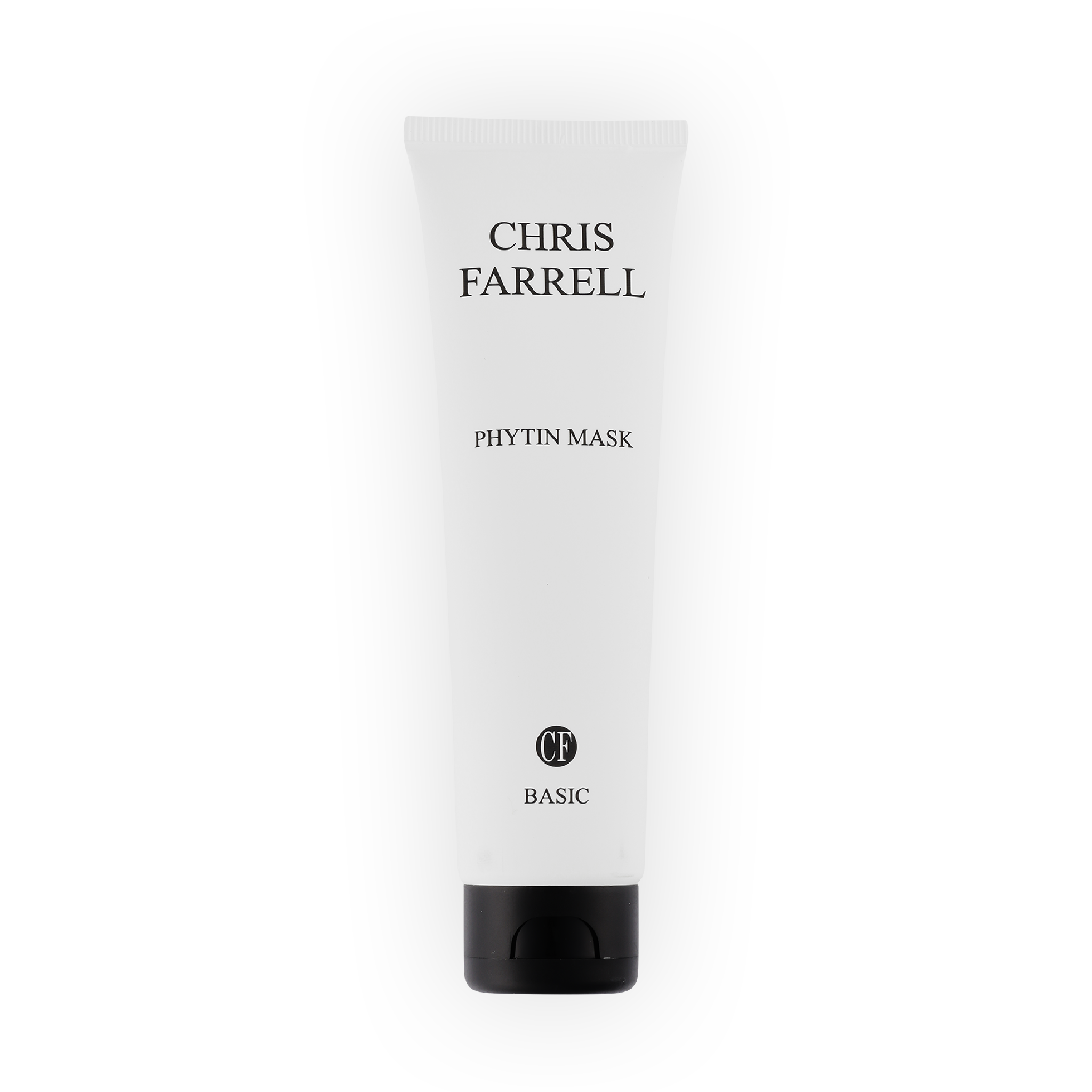
Our tip: Use the mask one to two times a week as a soothing ritual. In the evening, when your skin is winding down, is the perfect time.
Tip 5: Invest in a coordinated complete routine
Individual products can make a difference – but the strongest results come from a carefully coordinated skincare regimen. Especially with facial redness caused by couperose or rosacea, every step of your routine should be tailored to the needs of sensitive, redness-prone skin. One product that doesn't fit can quickly undermine the effect of all the others.
A specially curated system set takes the guesswork out of the equation and ensures that cleansing, soothing, and vascular care work hand in hand.
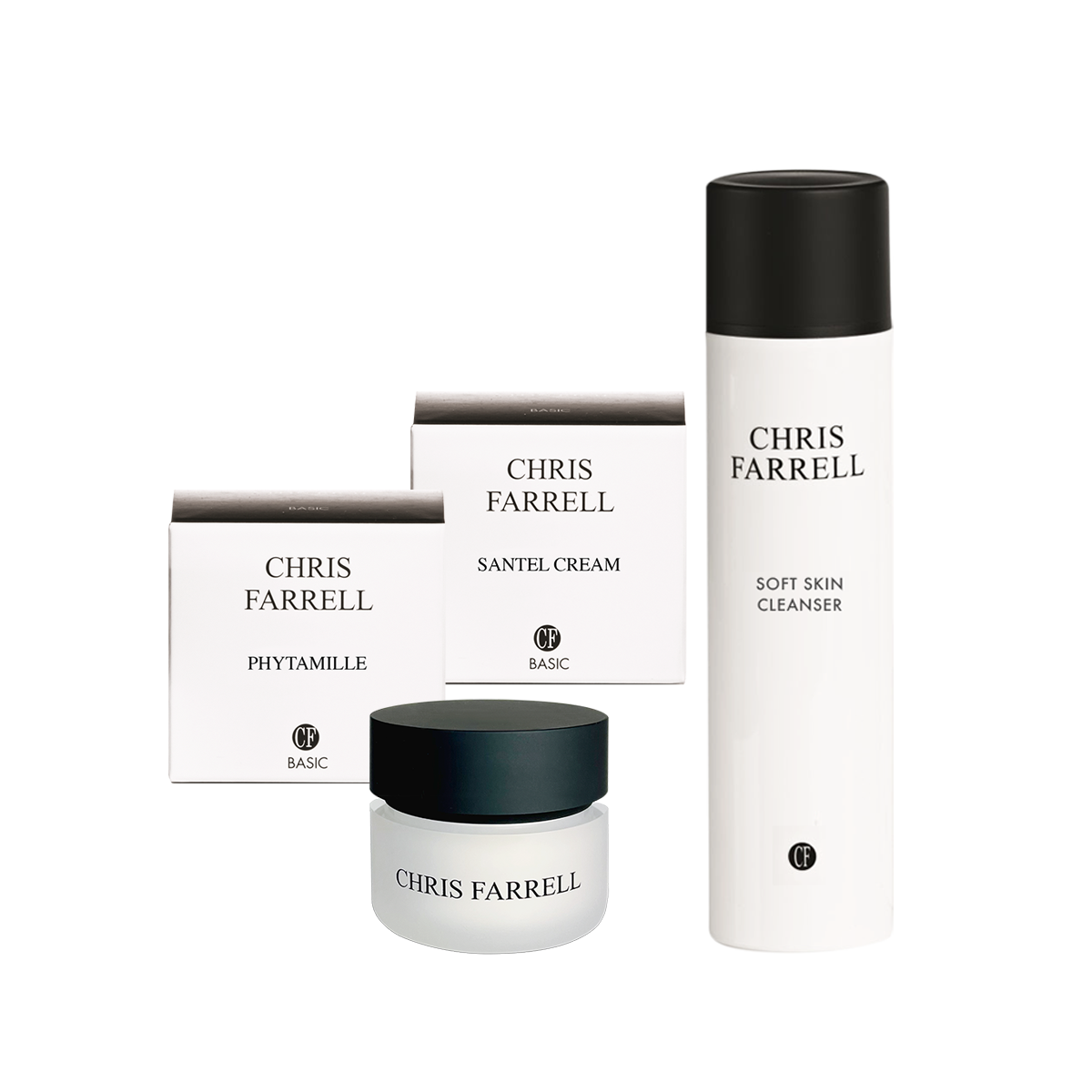
👉 Discover the Couperose Set – The coordinated skincare set with Soft Skin Cleanser, Santel Cream, and Phytamille provides a complete routine against redness. The three products work synergistically: they cleanse ultra-gently, soothe immediately, and strengthen the capillary walls for lasting results.
What Else to Avoid in Everyday Life with Facial Redness
Beyond the right skincare, everyday habits play a significant role. These triggers can intensify skin redness on the face and should be reduced as much as possible if you have known rosacea or couperose:
- Hot water when washing or showering
- Direct sun exposure without protection
- Alcohol, caffeine, and spicy foods
- Extreme temperatures – including dry indoor heating in winter
- Mechanical rubbing when drying or cleansing
- Strong fragrances and essential oils in skincare products
This doesn't mean you have to give everything up. But paying close attention to your personal triggers helps you anticipate flare-ups and respond proactively.

Facial Redness is Manageable
Facial redness – whether caused by rosacea, couperose, or sensitive skin – can be brought under control with the right routine. The key lies in consistent gentleness: soap-free cleansing, alcohol-free care, vascular-strengthening active ingredients, and avoiding known triggers.
You don't have to figure this out on your own. A professional skin analysis can help you assess the exact condition of your skin and put together the right skincare routine.
👉 Go to the Chris Farrell Skin Analysis – We offer you an individual assessment by experts and a personalised skincare recommendation for your skin condition.


