
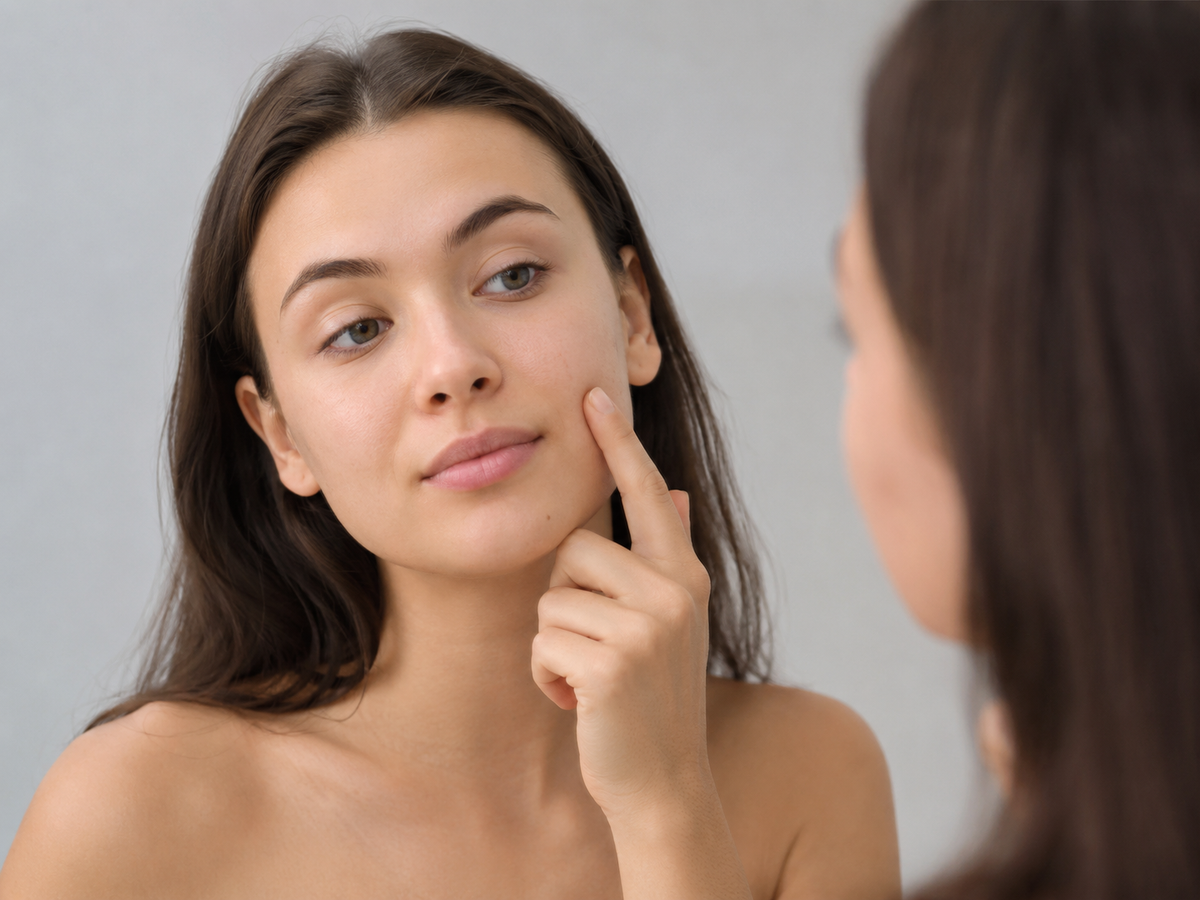
You probably know the feeling: a pimple appears and the temptation to just squeeze it is immediate. But should you pop pimples? Does toothpaste on pimples really work? And how do you get rid of pimples fast without irritating your skin or risking scars? In this article, we bust the most persistent myths and show you what really helps with pimples.
The Key Facts at a Glance:
- Popping pimples is a bad idea in most cases: it spreads bacteria, damages the skin and increases the risk of scars and dark spots.
- Only ripe pimples with a visible white or yellow head can be carefully drained: and only with the right preparation and technique.
- Never squeeze blind pimples under the skin: the pus gets pushed deeper into the tissue and the inflammation gets worse.
- Toothpaste on pimples is a myth: the ingredients can irritate and damage sensitive facial skin.
- What actually works: a coordinated skincare routine that cleanses, regulates and balances the skin – rather than irritating or drying it out.

Why Do Pimples Appear in the First Place?
Pimples form when sebaceous glands become overactive and pores get clogged with sebum, dead skin cells and bacteria. The result: inflammation that shows up as a red pimple, blackhead or pustule. Triggers can include hormonal fluctuations, stress, incorrect skincare or a compromised skin barrier. Often the real problem isn't too much oil – it's an imbalance in the skin. That's exactly where the physiological skincare approach of Chris Farrell comes in.
Popping Pimples: Yes or No?
The honest answer: in most cases, you should not pop pimples.
Here's why: When you press on a pimple with your fingers, you spread bacteria across the skin and can damage the pore walls. This often makes the inflammation worse. On top of that, new bacteria can more easily enter the skin through the small wound left after squeezing.
The result: the pimple comes back, or a dark mark is left behind.
Exception: A ripe pimple with a clearly visible white or yellow head can be gently drained under certain conditions. But even then: no brute force and no unprepared skin!
How to Pop a Pimple If You Really Must
If you want to remove a ripe pimple, please only do it this way:
- Wash your hands thoroughly – always before touching your skin.
- Open your pores: A warm shower or steam bath opens the pores so excess sebum can drain more easily.
- Only pimples with a head: Blind pimples or those without a visible head should be left alone. You can't reach the source without unnecessarily irritating the skin.
- No raw finger pressure: Wrap your fingertips in a soft cloth or tissue and apply gentle, even pressure from the sides.
- Disinfect afterwards: Dab the area with a clarifying product after squeezing and don't touch it again.
Getting Rid of Blind Pimples – Why Squeezing Is Especially Dangerous Here
Blind pimples are deep-seated inflammations with no visible head. They're not just frustrating – they're a real trap. The urge to squeeze is strong, but the result is usually the opposite of what you're hoping for.
What Happens When You Try to Pop a Blind Pimple?
Because there's no head at the surface, you can't reach the actual source of inflammation at all. Instead, you push the pus deeper into the tissue. The inflammation often spreads, grows larger and becomes more painful. At the same time, you damage the pore walls and surrounding tissue.
The risk of dark spots and scarring is particularly high with blind pimples – precisely because the inflammation sits so deep. Your fingers also spread bacteria across the skin and can trigger new breakouts.
Extra caution is needed in the so-called danger triangle of the face – the area between the bridge of the nose, the nose itself and the upper lip. In rare but serious cases, inflammations that spread deep in this area can have severe health consequences. Blind pimples in this area should never be squeezed yourself under any circumstances.
What you can do instead:
- Warmth, not pressure: Gently placing a warm cloth on the area promotes circulation and can speed up the inflammation process from the inside – without injuring the skin.
- Hands off: As hard as it is – a blind pimple needs time and rest above all else.
- Targeted active ingredients: Products with anti-inflammatory ingredients work directly on the cause without irritating the skin.
- For stubborn inflammations: A professional beauty studio or dermatologist is the right place to go – they work hygienically and professionally without risking further damage.
Linimed L by Chris Farrell is ideal for targeted application on inflamed areas – including blind pimples. It has a calming, anti-inflammatory effect without drying out or further irritating the skin.

Myth: Does Toothpaste Help with Pimples?
This tip has been doing the rounds on the internet for decades – but it's a myth that can harm your skin. Toothpaste contains ingredients such as menthol, fluoride, bleaching agents and sometimes even abrasives that are designed for teeth. They are not suitable for sensitive facial skin. Applying toothpaste to pimples can result in additional irritation, redness or even chemical burns. While toothpaste may dry out a pimple in the short term, it can simultaneously worsen the inflammation and damage the delicate tissue.
Our advice: Trust products that have been specifically developed for skin blemishes and rely on ingredients that support skin function rather than straining it.

What Really Helps Against Pimples? The Right Skincare Routine
Getting rid of pimples fast is rarely about a single product – it's about a well-coordinated routine. The physiological skincare approach of Chris Farrell follows one clear principle: bringing the skin back into its natural balance without overwhelming it.
Step 1: The Right Cleanser
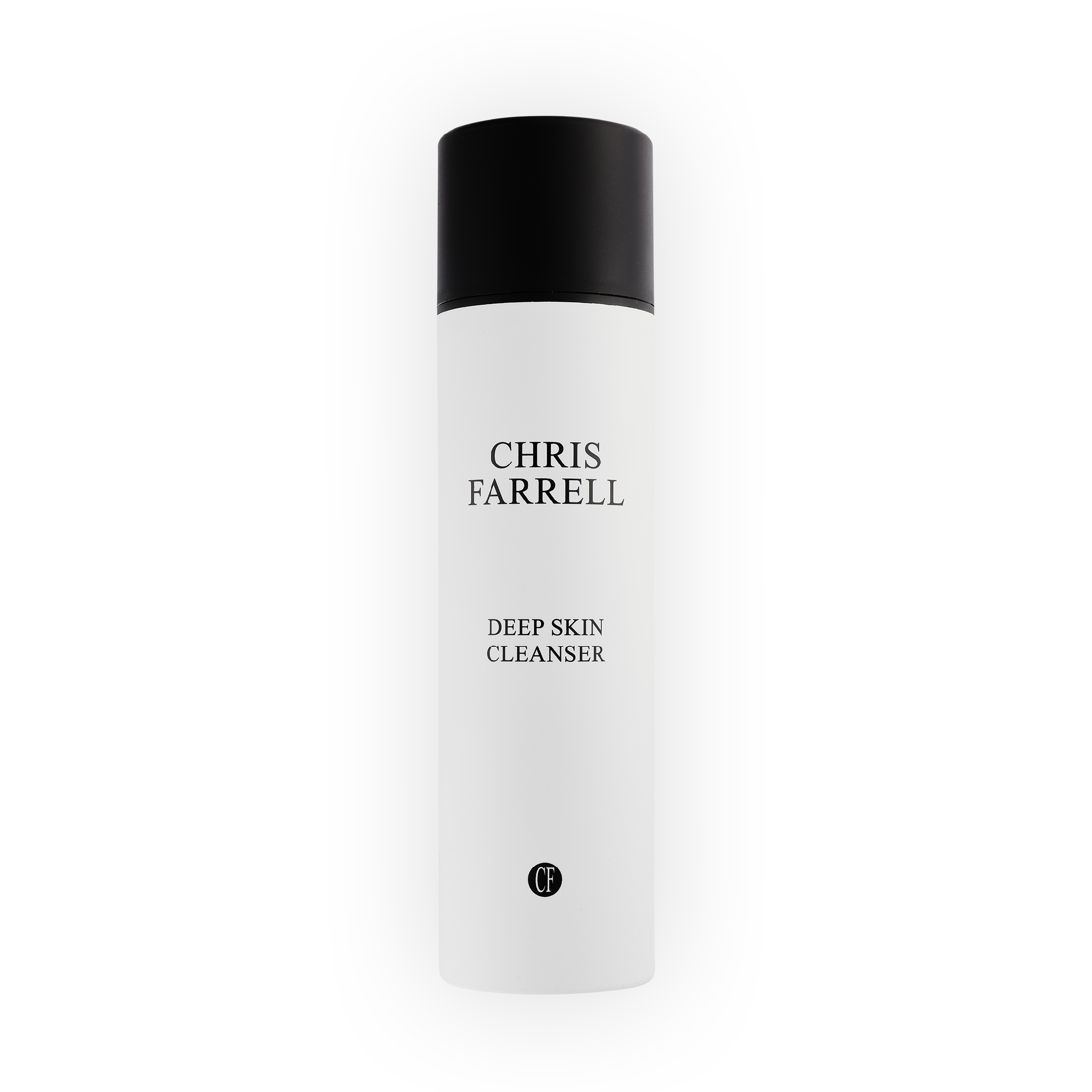
A deep-cleansing yet gentle cleanser is the foundation of any routine for blemish-prone skin. The Deep Skin Cleanser thoroughly dissolves excess sebum and impurities without attacking the skin's acid mantle. No alcohol-induced drying, no irritation – just targeted clarification.
Step 2: The Right Tonic
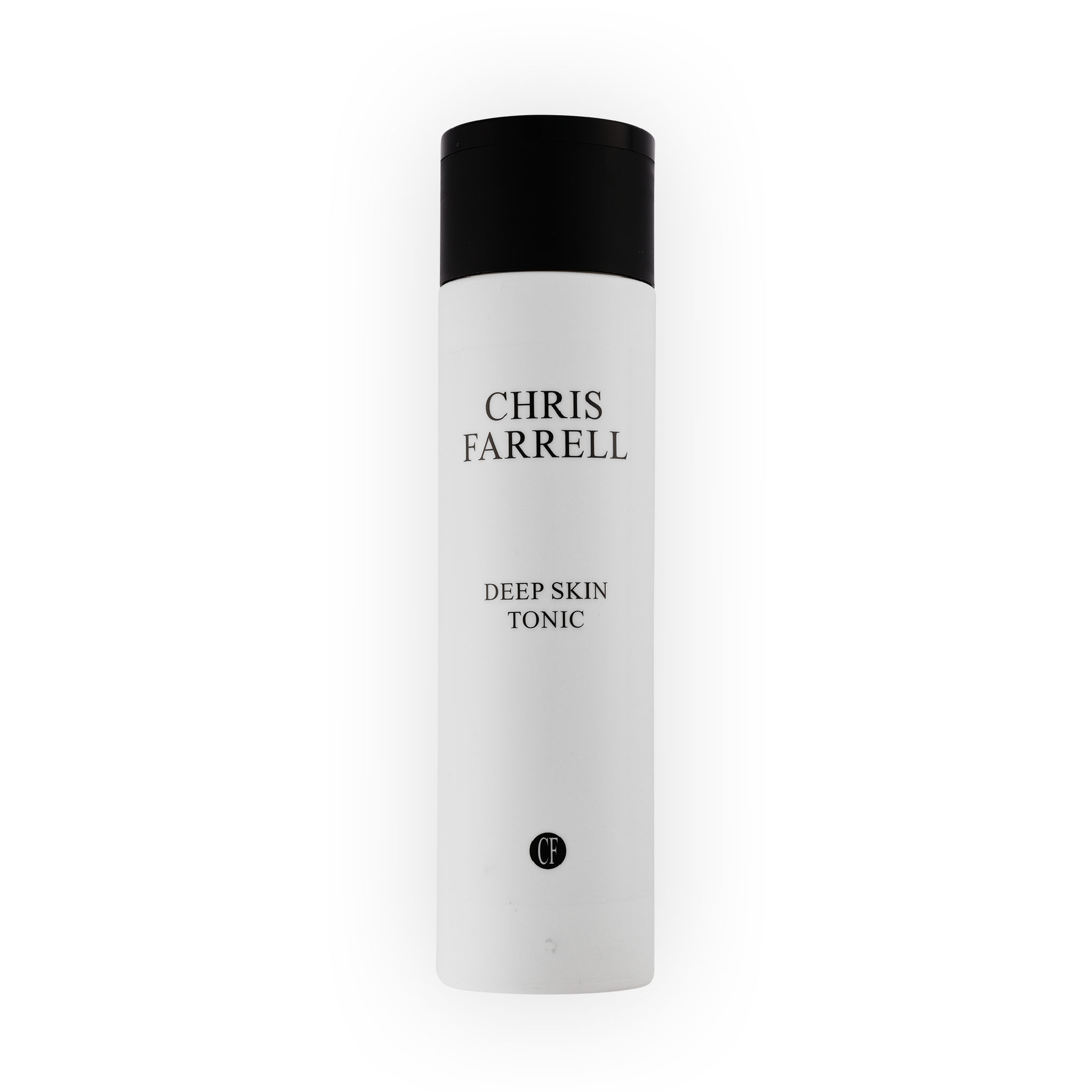
The Deep Skin Tonic refines the skin's appearance after cleansing, supports pore clarification and prepares the skin optimally for the following care steps.
Step 3: Targeted Treatment for Active Pimples
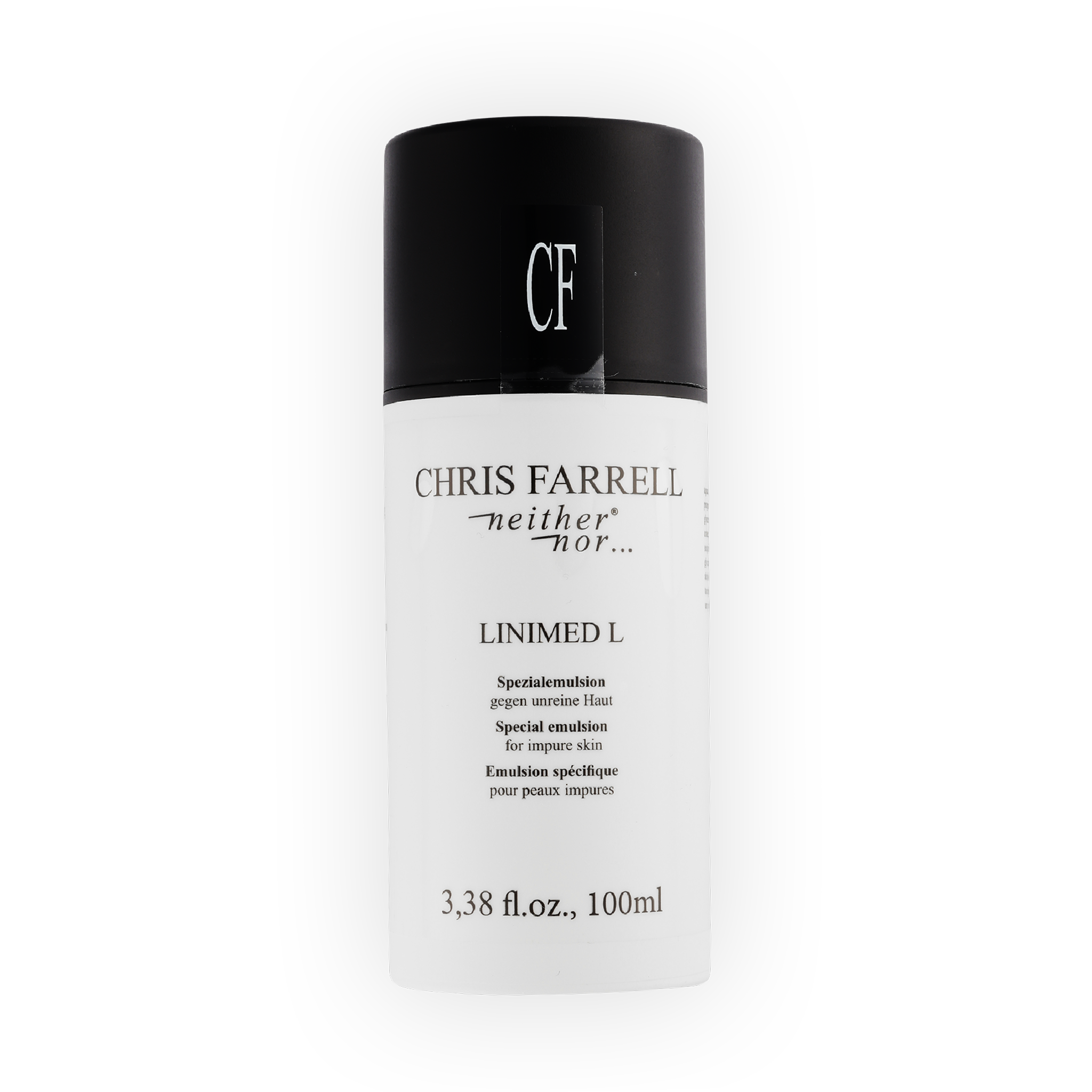
For active blemishes and inflamed spots: Linimed L works directly on the affected area and supports the skin in calming down. Applied precisely, it tackles pimples gently without drying the skin out.
Step 4: Deep Clarification with the Right Mask
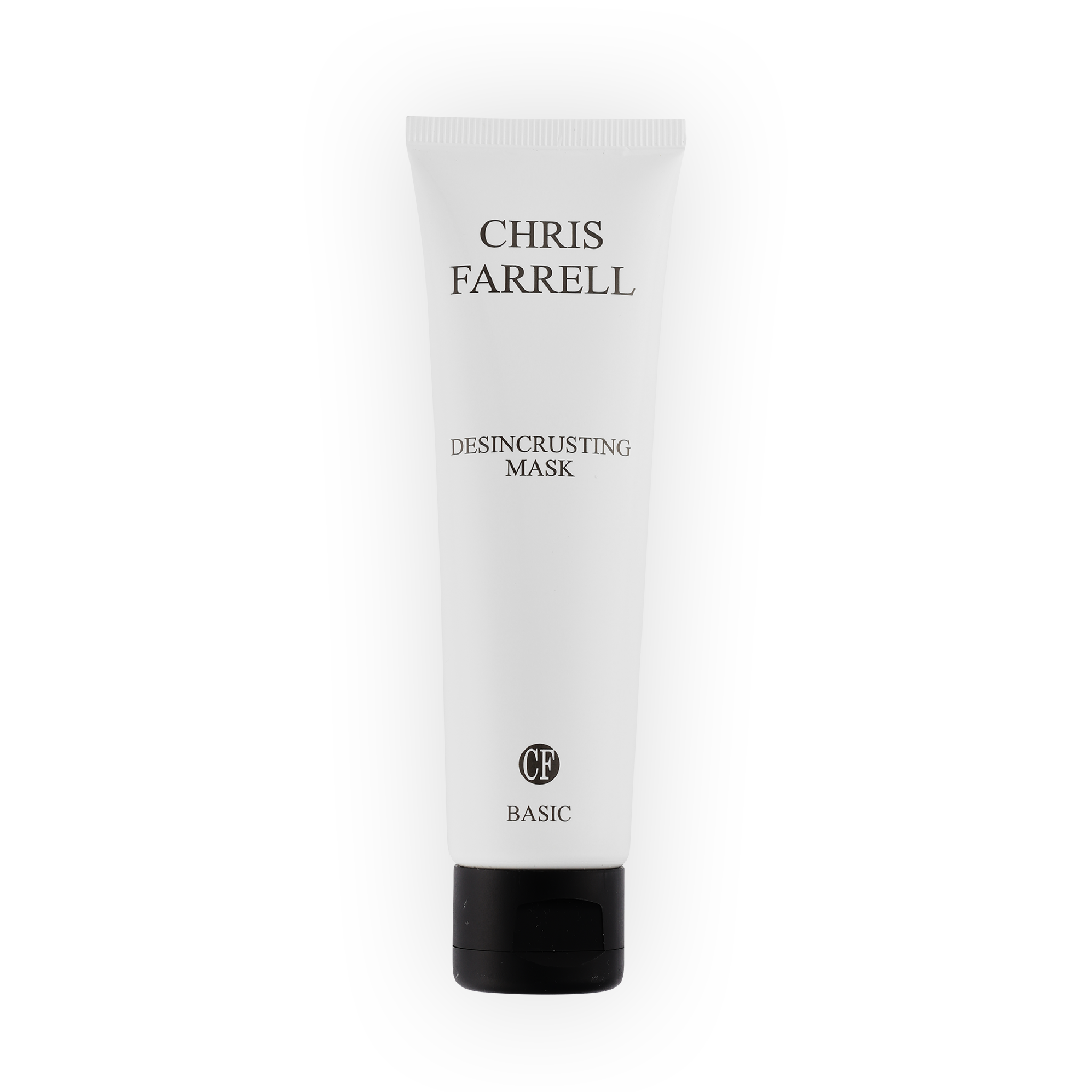
The Desincrusting Mask loosens hardened sebum plugs and deep-seated impurities, refines the skin's appearance and clears the pores sustainably. Applied once or twice a week, it works like a professional deep cleanse at home.
Step 5: Don't Skip Moisturiser
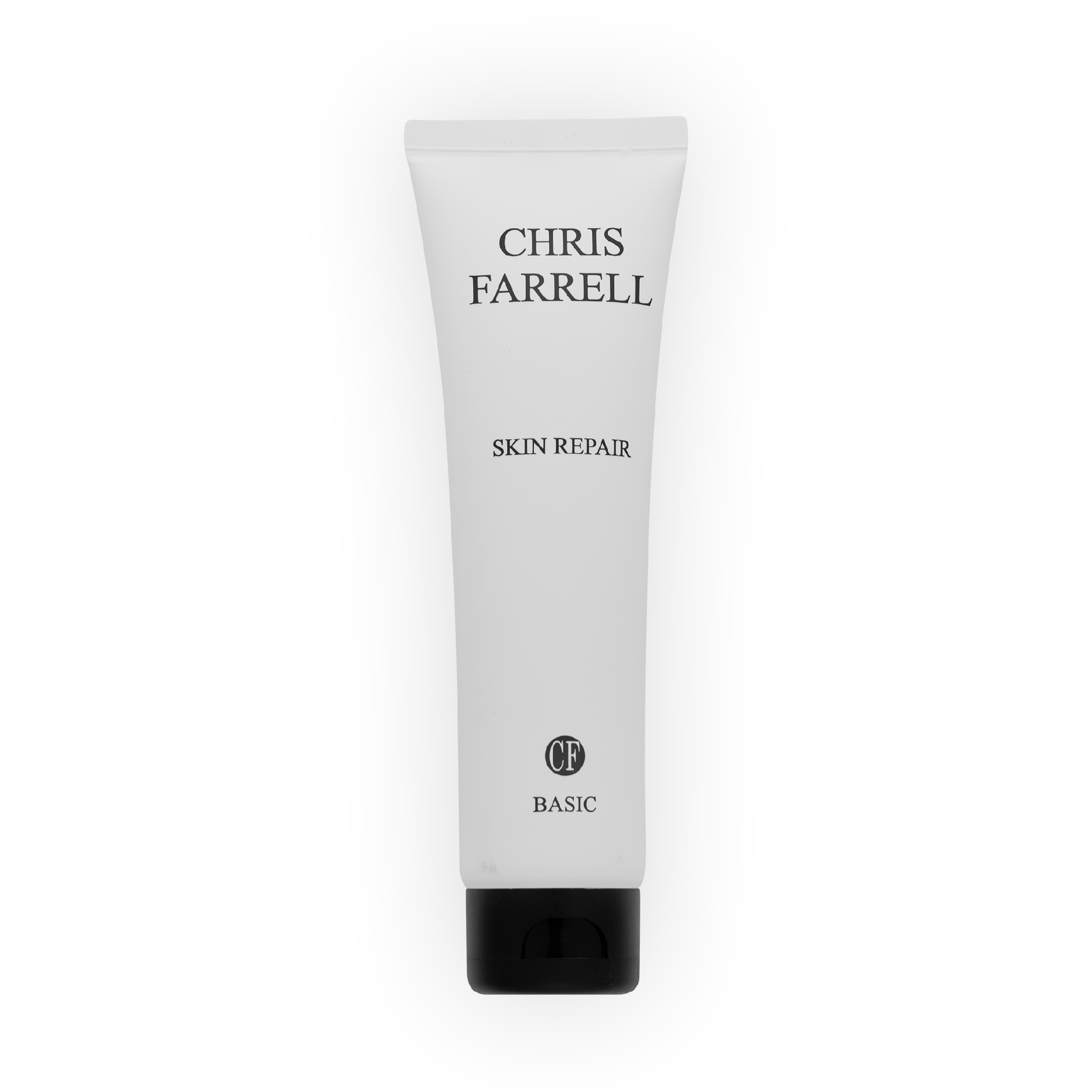
Many people with blemish-prone skin avoid moisturisers – but this is a mistake. Skin that lacks sufficient hydration often responds by producing even more sebum. A light, regulating emulsion like Skin Repair or Clear Skin gives the skin exactly what it needs – formulated to avoid clogging pores or leaving a greasy residue.
The Right Aftercare Once You've Popped a Pimple
If you have popped a pimple, the area now needs extra protection. Here's what to do:
- Don't touch it again. The open area is vulnerable to bacteria.
- No make-up straight away. Give your skin time to close up.
- Targeted aftercare: Gently dab a clarifying, soothing product like Linimed L onto the area.
- Don't forget to moisturise: Even an irritated spot needs hydration to recover.
All in One: The Youth Acne Set for Blemish-Prone Skin
If you're just starting to build the right routine for blemish-prone skin, our Youth Acne Set by Chris Farrell offers a straightforward starting point. It combines deep oil cleansing with targeted treatment for pimples – a complete basic routine for blemish-prone skin in one package.
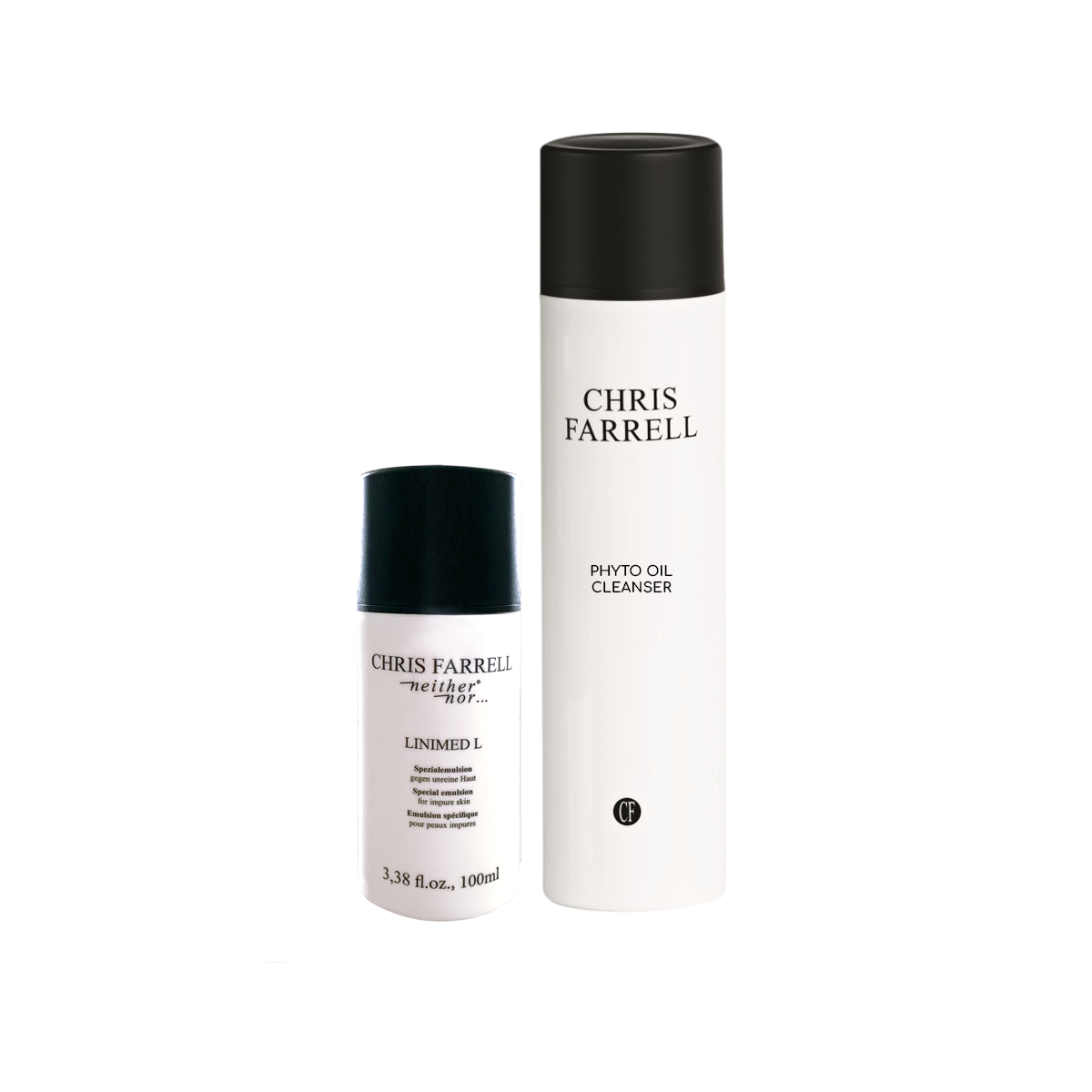
You can also find all products for blemish-prone skin in the Chris Farrell collection Blemish-Prone Skin & Acne. These products cover every step of a complete skincare routine for pimples.

Summary: Popping Pimples – Better Not, But If You Do, Do It Right
Popping pimples remains a bad idea in most cases. The damage from spreading bacteria, scarring and worsened inflammation is real. Toothpaste on pimples sounds practical but is a myth that does more harm than good to your skin.
What really helps: a consistent, gentle routine that cleanses, regulates and balances the skin – without irritating or drying it out.
FAQ – What You Didn't Know Yet About Pimples & Skin Blemishes
Our skincare experts at Chris Farrell answer your questions about pimples and how to treat them.


