
Every scar tells a story: of an injury, a procedure or a condition that has left its mark on the skin. Most people wish their scars would fade over time, become more supple and be less noticeable. In this article, you will find out what cosmetic scar care can do – and where its limits lie.
Scar Care at a Glance
- What a scar is: The body's own scar tissue, which forms after a wound has healed and is structurally different from normal skin
- When to start care: Only on fully closed, healed skin. Never on open wounds or scabs
- What cosmetic care can do: Support suppleness, help maintain moisture, care for the skin's texture
- What it cannot do: Make scars invisible, heal them medically or guarantee a lighter appearance
- Suitable ingredients: Panthenol, allantoin, hyaluronic acid, liposomes
- Time frame: Scar care is a long-term task – scar tissue matures for up to 1–2 years
What Is a Scar and How Does It Form?
When the skin is injured – for example by a cut, a burn, surgery or acne – the body immediately sets a complex repair process in motion. Wound healing takes place in three consecutive phases that can overlap:
- Inflammatory phase (1–4 days): Blood clots, immune cells fight germs, the wound cleanses itself
- Proliferative phase (4–21 days): New cells form, collagen is deposited, the wound closes
- Maturation phase (months to years): The new tissue reorganises itself, and the scar changes in colour, texture and elasticity
The result is always a compromise: the body closes the wound as quickly as possible, but the collagen formed in the process is structured differently from that in healthy skin. It is less orderly, hair follicles and sweat glands are missing, and the skin in this area is permanently changed. These fundamentals of wound healing are well documented in dermatological research.
What Types of Scars Are There?
- Normal (mature) scars: Flat, paler than the surrounding skin, altered texture
- Hypertrophic scars: Raised and red, but limited to the wound area
- Keloids: Bulging and growing beyond the edge of the wound
- Atrophic scars: Sunken, as with deep acne scars
When Can Scar Care Begin?
This is the most important question of all – and the most common source of mistakes. The answer is clear: scar care may only begin once the skin is completely closed and epithelialised. That means:
- No open areas
- No scabs that have not yet fallen off
- No fresh surgical stitches
Exactly when this point is reached varies greatly depending on the depth of the injury, the area of the body, age and the individual healing process. If in doubt: always ask your doctor first. Care products applied too early can disrupt the healing process rather than support it.
What Can Scar Care Really Achieve?
Here, honest communication is more important than any product promise. Cosmetic scar care can:
- Support the suppleness of scar tissue
- Reduce moisture loss (scar tissue has no sebaceous glands)
- Ease the feeling of tightness around the scar
- Care for the texture of the surrounding skin
- Cosmetically support the natural maturation process of the scar
What cosmetic scar care cannot do:
- Make scars invisible
- Turn scar tissue into normal skin
- Correct keloids or deep atrophic scars
- Replace medical treatment (laser, cortisone injections, surgical corrections)
Lightening and Fading Scars – What Is Really Possible?
"Lightening scars", "making scars fade", "lightening dark scars" – these wishes are completely understandable, but what is behind them?
Why Are Scars Discoloured?
Fresh scars often look red or pink. This is due to increased blood flow during the healing phase. The redness usually subsides on its own as the tissue matures. Lightening red scars with cosmetic care is therefore often less a question of the right cream and more a question of time.
Dark scars are caused by hyperpigmentation. After an injury, the skin produces an above-average amount of melanin. This happens more often with darker skin types and with scars that were exposed to sunlight too early. The most important cosmetic step when it comes to lightening dark scars is therefore consistent sun protection that prevents further pigmentation.
What is realistic cosmetically:
- Regular care can make scar tissue appear more supple
- Sun protection can help prevent further darkening
- The natural maturation process visibly changes scars over months and years
What is not realistic:
- Guaranteed lightening or fading scars with a cream
- Making scars invisible with cosmetic products
For pronounced pigment changes, painful keloids or scars that restrict movement, a dermatologist is always the right person to see.
Which Ingredients Are Suitable for Scar Care?
Not every cream is suitable as a cream for scars. These ingredients are considered particularly suitable in cosmetics for healed scar tissue:
Panthenol (Vitamin B5)
Panthenol is the precursor of pantothenic acid and is well known in dermatology for its properties in supporting epithelial tissue. It is designed to support tissue regeneration and bind moisture. This makes it an established ingredient in scar care.
Allantoin
Allantoin is a naturally occurring substance that is considered keratolytic and skin-soothing – well documented for its properties in supporting scar tissue. It can help the surface of the scar appear softer and smoother.
Hyaluronic Acid
Scar tissue has no sebaceous glands and therefore loses moisture more quickly. Hyaluronic acid can help supply the tissue with moisture and keep it supple.
Liposomes
Liposomes are microscopically small vesicles that can transport ingredients into deeper layers of the skin, making them particularly valuable in the regenerative care of scar tissue.

Scar Cream: Which Products Are Suitable?
CHRIS FARRELL has developed its own product range for scar care, tailored to the different phases and needs of healed scars. All products may only be used on fully healed skin.
Concentrate AB is CHRIS FARRELL's primary scar care product. The vitamin serum with panthenol and allantoin is specially designed to support healed scars, keloids and rough areas of skin. It is applied locally to the affected areas and gently massaged in. Also suitable for scar care on parts of the body other than the face.
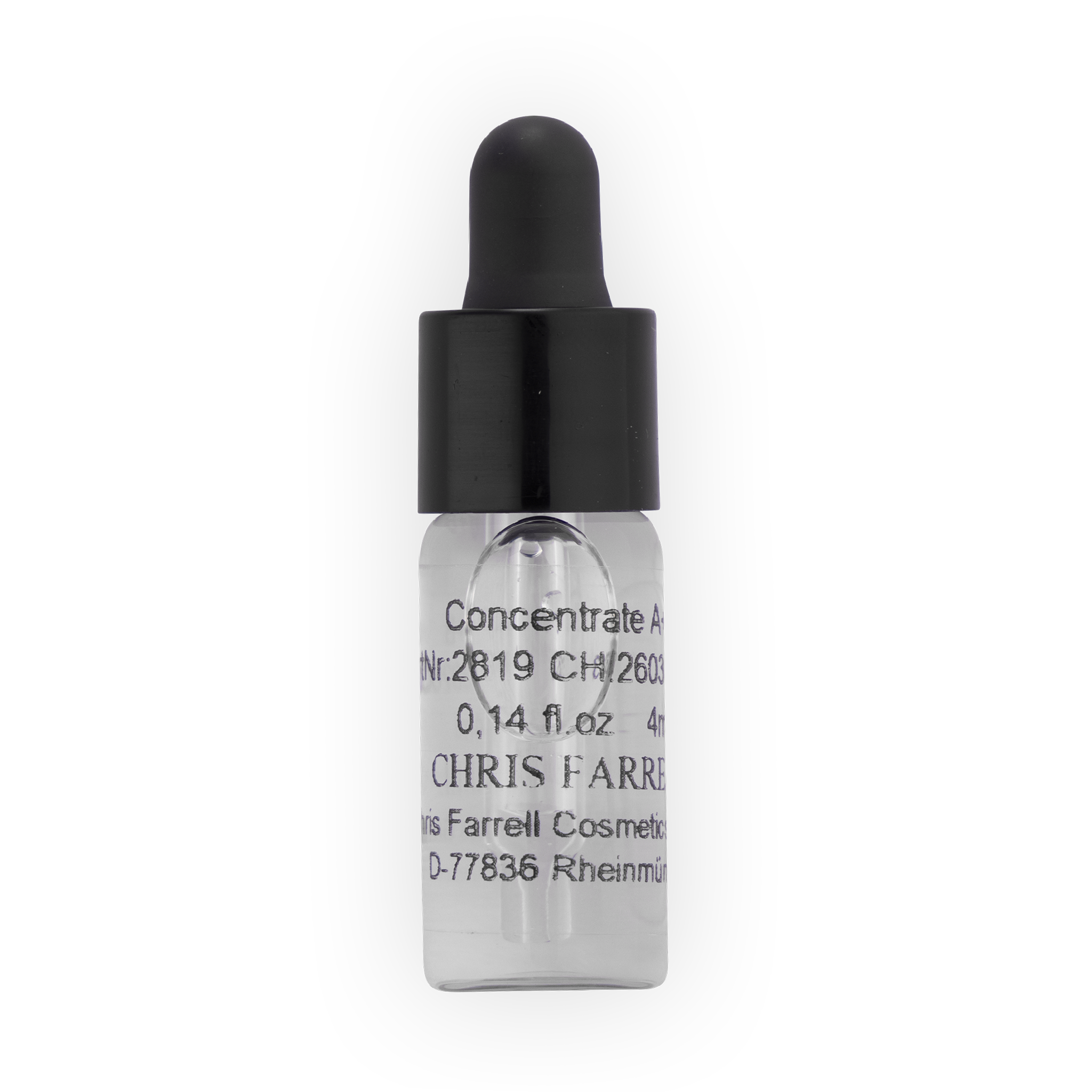
Skin Repair is a liposomal regeneration cream for the sensitive transition phase, when the skin has just healed but still reacts very sensitively. It is designed to calm irritated and damaged skin and support the barrier function. Ideal as accompanying care around the scar area.
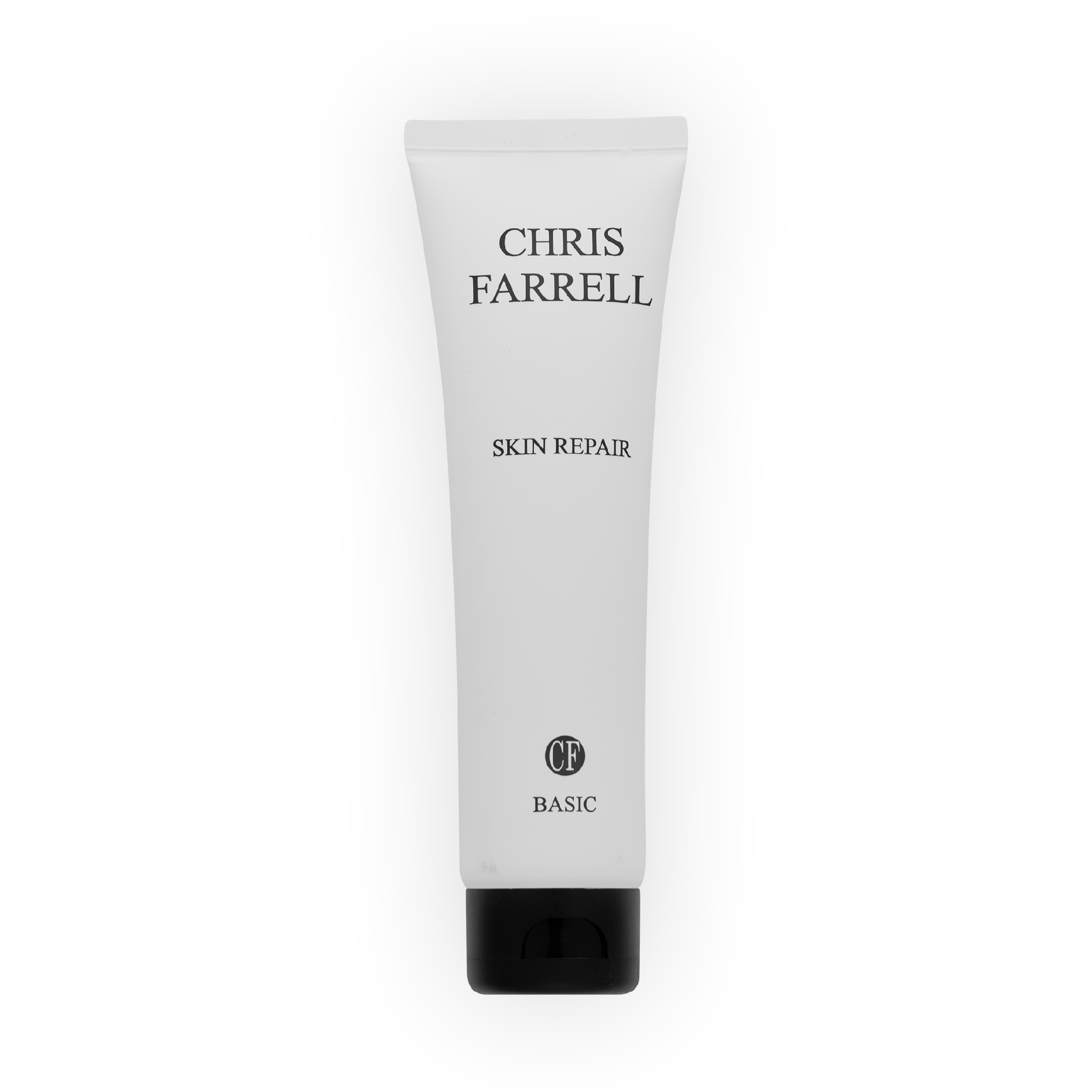
Concentrate GV is suitable as complementary scar care. It is a lightweight balancing serum that can support the moisture supply of scar tissue and is particularly suitable for sensitive skin.
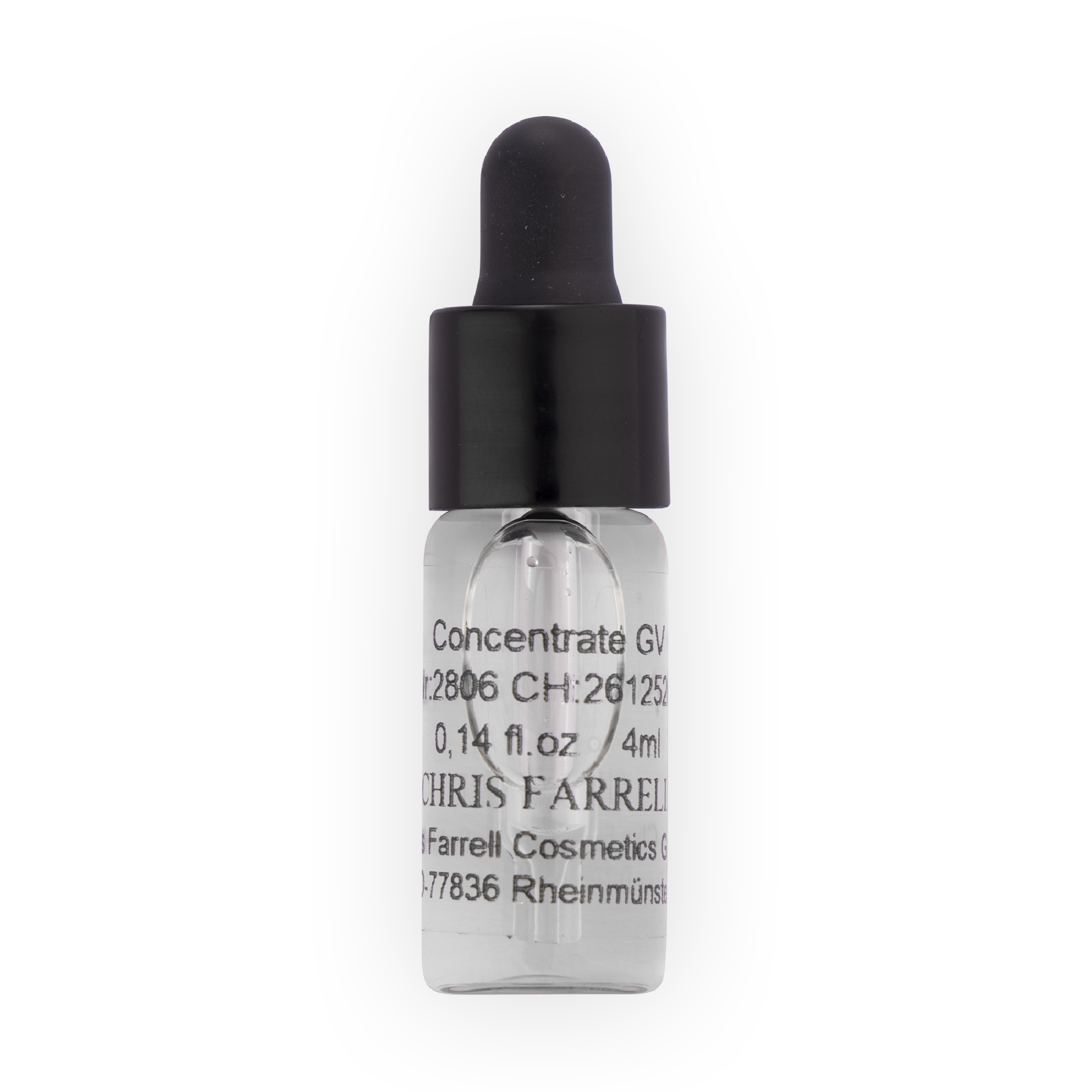
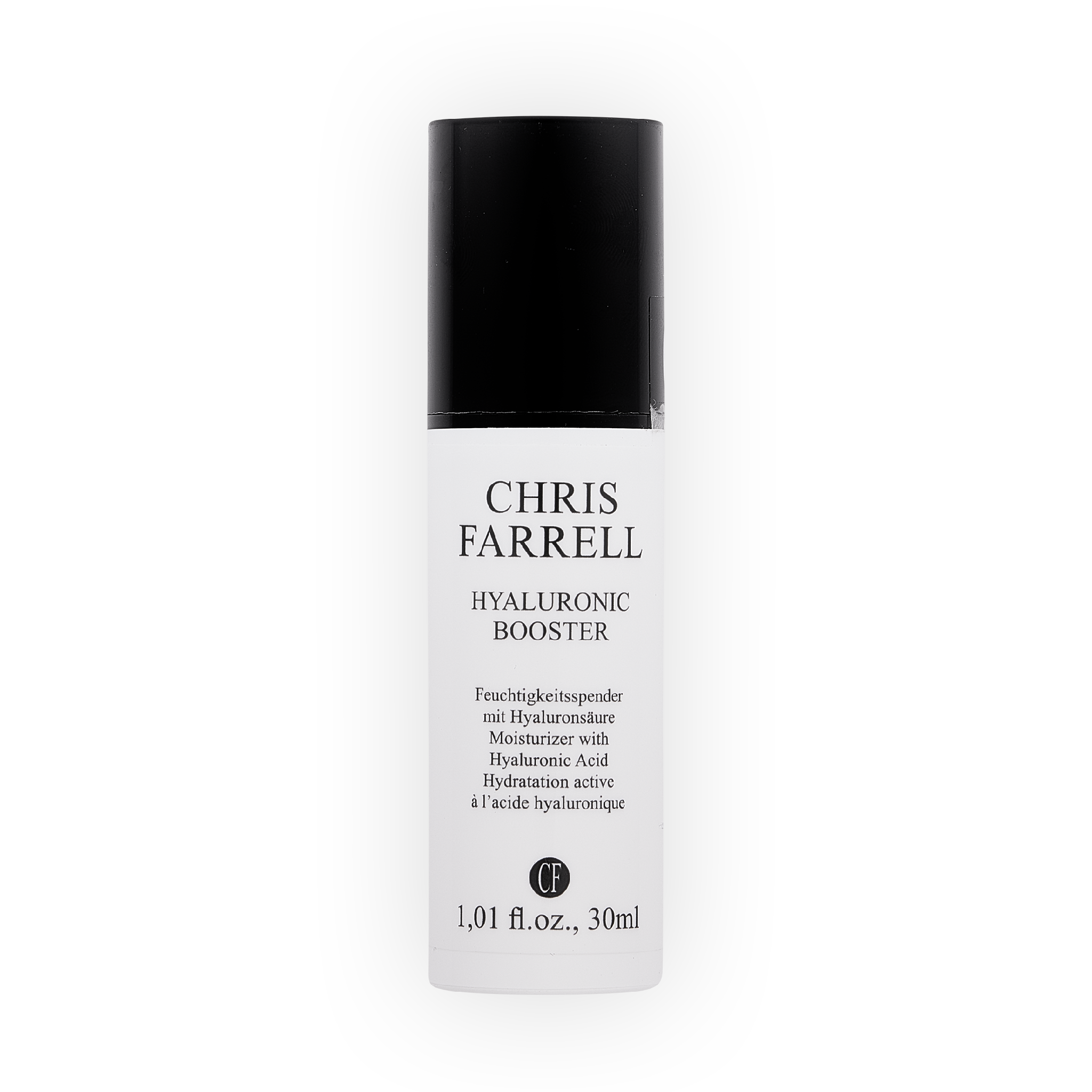
Hyaluronic Booster is suitable for the daily hydration of healed scar areas – as a serum step before your moisturiser that supplies the tissue with hyaluronic acid and can make it appear more supple.
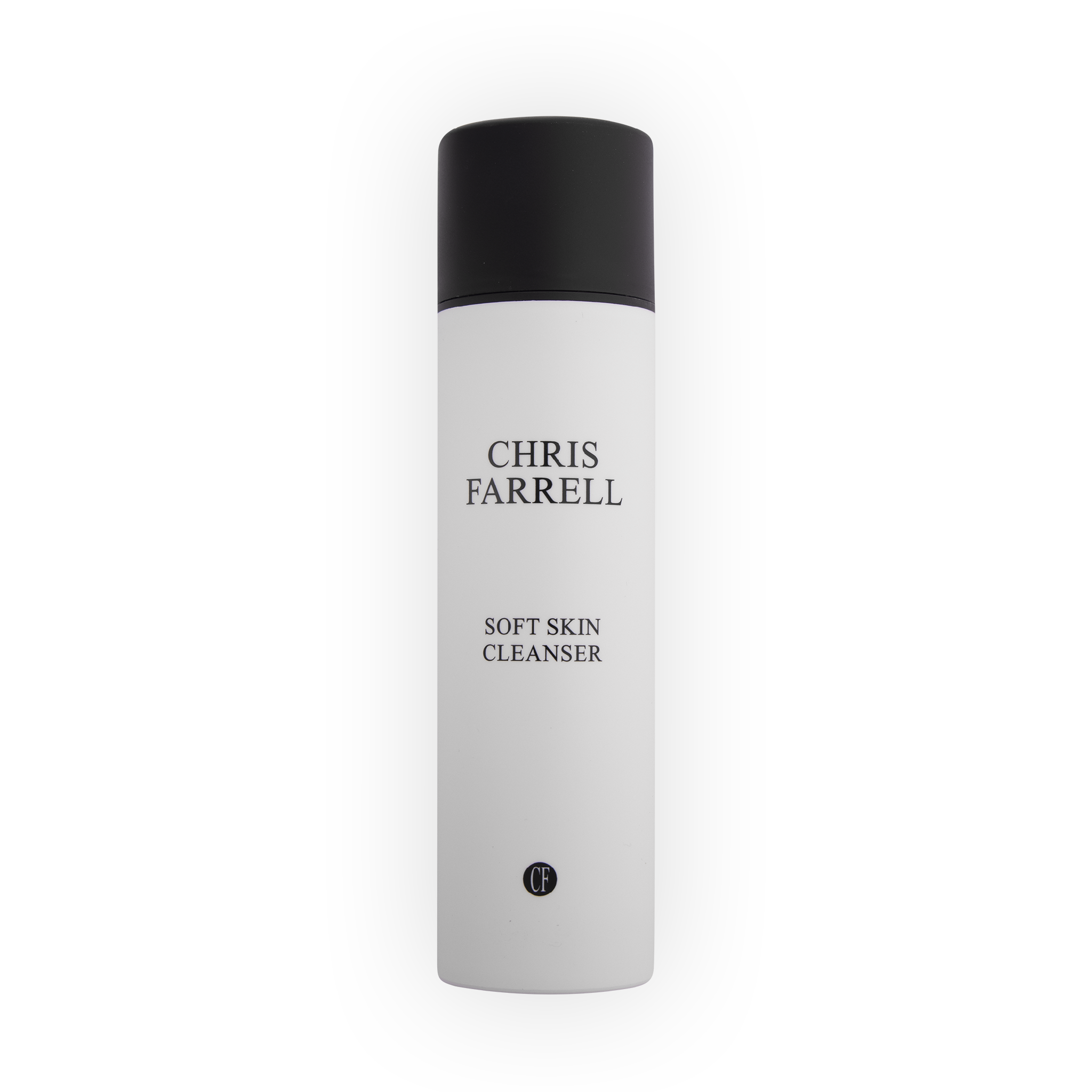
For gentle cleansing around scar areas, we recommend Soft Skin Cleanser – lipid-replenishing, soap-free and gentle on sensitive tissue.
→ All CHRIS FARRELL scar care products at a glance
The Right Scar Care Routine
When it comes to scar care, consistency matters more than any single product. Scar tissue matures slowly. Anyone who expects to see visible changes after two weeks will be disappointed. Anyone who cares for their skin regularly over months gives the tissue the best cosmetic support.
- Step 1: Gentle cleansing: Cleanse the scar area with a lipid-replenishing, soap-free cleanser. No harsh products that irritate the sensitive tissue
- Step 2: Hydration: Apply Hyaluronic Booster or Concentrate GV to healed scar areas
- Step 3: Targeted scar care: Apply Concentrate AB locally to the scar and gently massage in with circular movements. The gentle massage can support blood circulation in the tissue
- Step 4: Regenerating care for the surrounding skin: Apply Skin Repair to the surrounding skin for barrier protection and soothing
- Step 5: Sun protection (a must during the day): Scar tissue is particularly sensitive to light – without consistent UV protection, dark scars can deepen further
Frequency: Morning and evening – consistently over several months. Scar maturation is a long process.
Not Sure Which Scar Care Is Right for You?
Every scar is different – depending on its cause, depth, skin type and healing process, it needs different support. The personal → skin analysis by CHRIS FARRELL gives you an individual recommendation for your very own situation.
FAQ – Frequently Asked Questions About Scar Care
Our CHRIS FARRELL skin experts answer your questions about scar care.


