
What is Keratosis Pilaris (Chicken Skin)?
When we talk about chicken skin, we are referring to a very common, harmless keratinisation disorder of the skin. The skin produces excess keratin in certain areas – a naturally occurring protein responsible for the strength of the uppermost skin layer. When this keratin accumulates around the openings of the fine hair follicles, it forms small, firm plugs that leave the skin feeling rough, dry and uneven.
Causes of Keratosis Pilaris: How Does the Rough Skin Texture Develop?
The primary cause of Keratosis Pilaris lies in a genetic predisposition towards increased keratinisation (hyperkeratosis). The keratin that would normally be shed becomes stuck around the follicle openings and forms tiny bumps. The skin's moisture and lipid balance also plays a key role: when the skin barrier is weakened or the skin tends towards dryness, the keratin plugs harden more quickly. Hormonal changes, cold winter air or dry indoor heating can further intensify the appearance.
How Do I Recognise Keratosis Pilaris?
Keratosis Pilaris can be identified by a number of characteristic features:
- Texture: The skin feels rough, dry and bumpy to the touch, similar to sandpaper or a grater
- Appearance: Small, pinhead-sized dots or bumps that can appear skin-coloured, slightly reddish or whitish
- Permanent goosebump effect: The affected area looks as though you have constant goosebumps
- Typical areas: Primarily the outer upper arms, thighs and buttocks – less commonly the cheeks, particularly in children
- Symptom-free: Unlike blemishes, the dots do not usually itch or cause pain
What Helps with Keratosis Pilaris? The Right Ingredients
The key question is: what helps with Keratosis Pilaris? The answer lies in a physiological system care routine that gently dissolves keratinised structures while simultaneously supplying the skin with barrier-building ingredients. What can make a difference for chicken skin comes down to three ingredient groups:
Gentle Fruit Acids (AHA / Malic Acid)
Alpha-hydroxy acids such as malic acid are designed to gently dissolve the bonds between dead skin cells – a well-established keratolytic effect in cosmetic dermatology. This allows keratin plugs to be broken down gently without mechanically irritating the skin.
Plant-Based Skin Function Oils & Lipids
Plant oils such as jojoba oil, maracuja oil or buricuja oil are designed to keep the stratum corneum soft and supple. They can help to reduce moisture loss and support the follicle openings against re-hardening. With Keratosis Pilaris, simple moisture alone is not enough – high-quality lipids are essential.
Soothing Plant Extracts & Vitamins
Ingredients such as Vitamin E, allantoin or panthenol can help to support the skin's natural balance and reduce the visible redness that frequently accompanies Keratosis Pilaris.
Which Keratosis Pilaris Cream is Right for Me?
The right Keratosis Pilaris cream depends on the affected area and your individual care needs.
Keratosis Pilaris Cream for the Body
Dry, rough areas on the body need rich formulas that are designed to be both keratolytic and replenishing in terms of lipids.
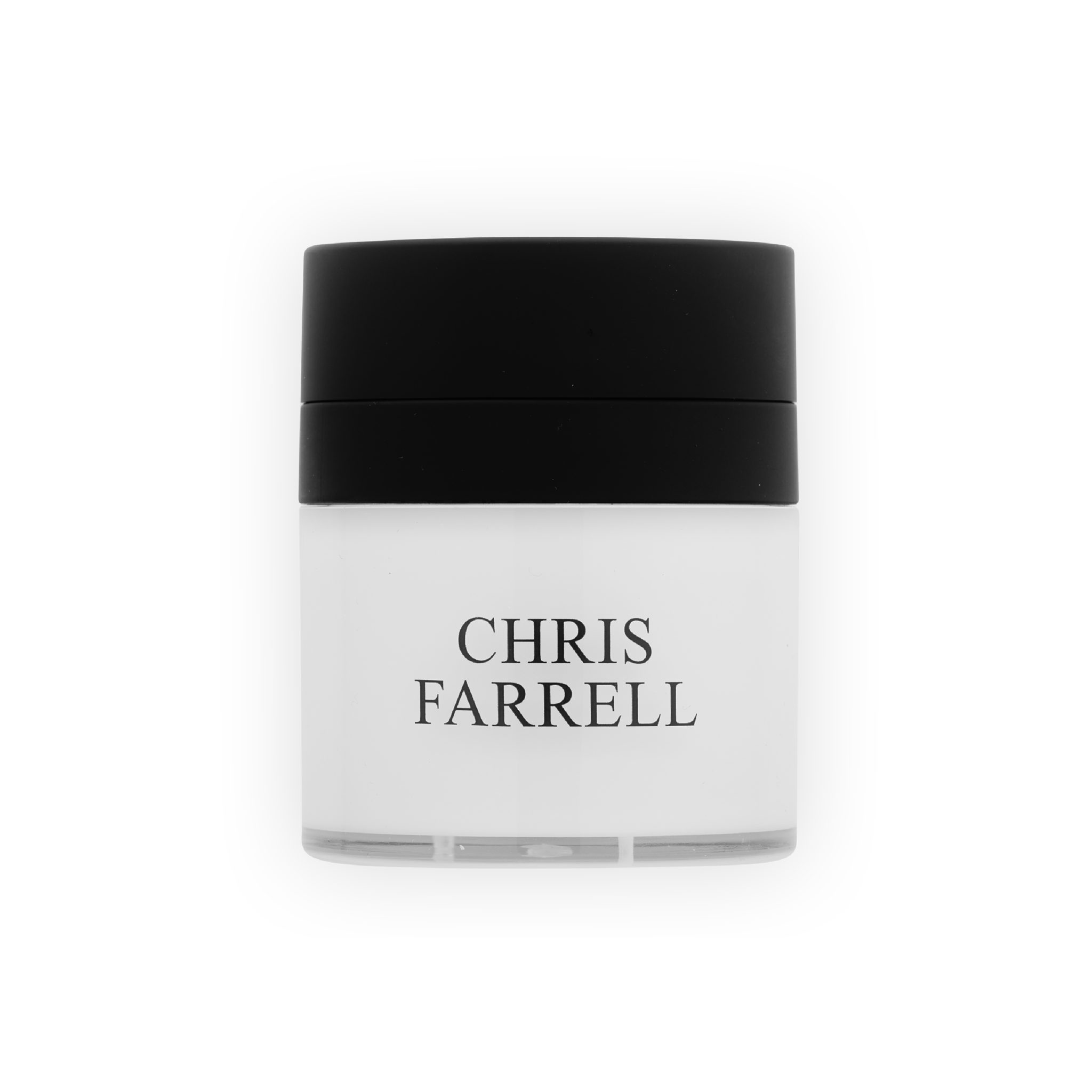
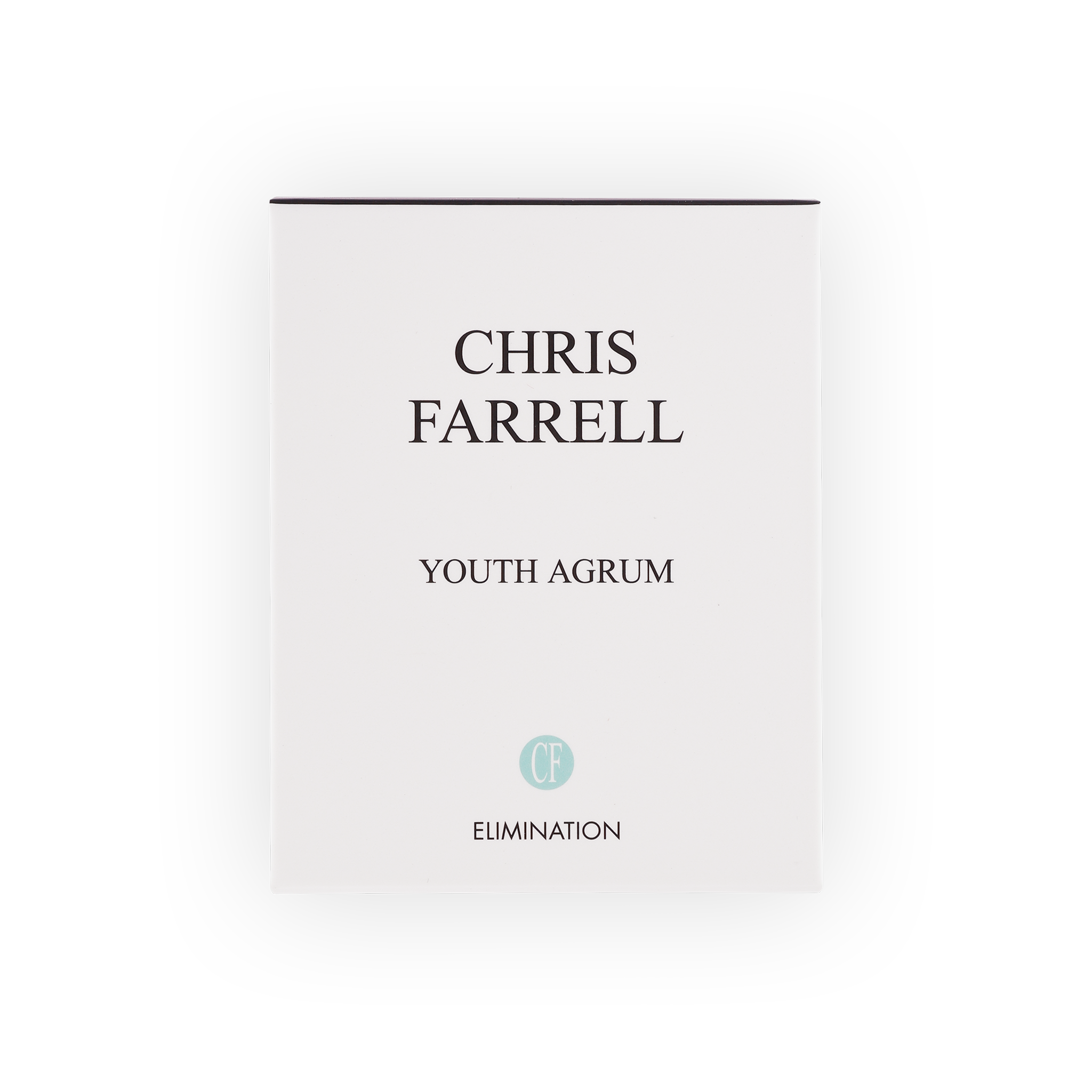
- Youth Agrum: An invigorating care product with natural malic acid (AHA), designed to gently loosen hardened cell structures and gradually smooth the skin's appearance.
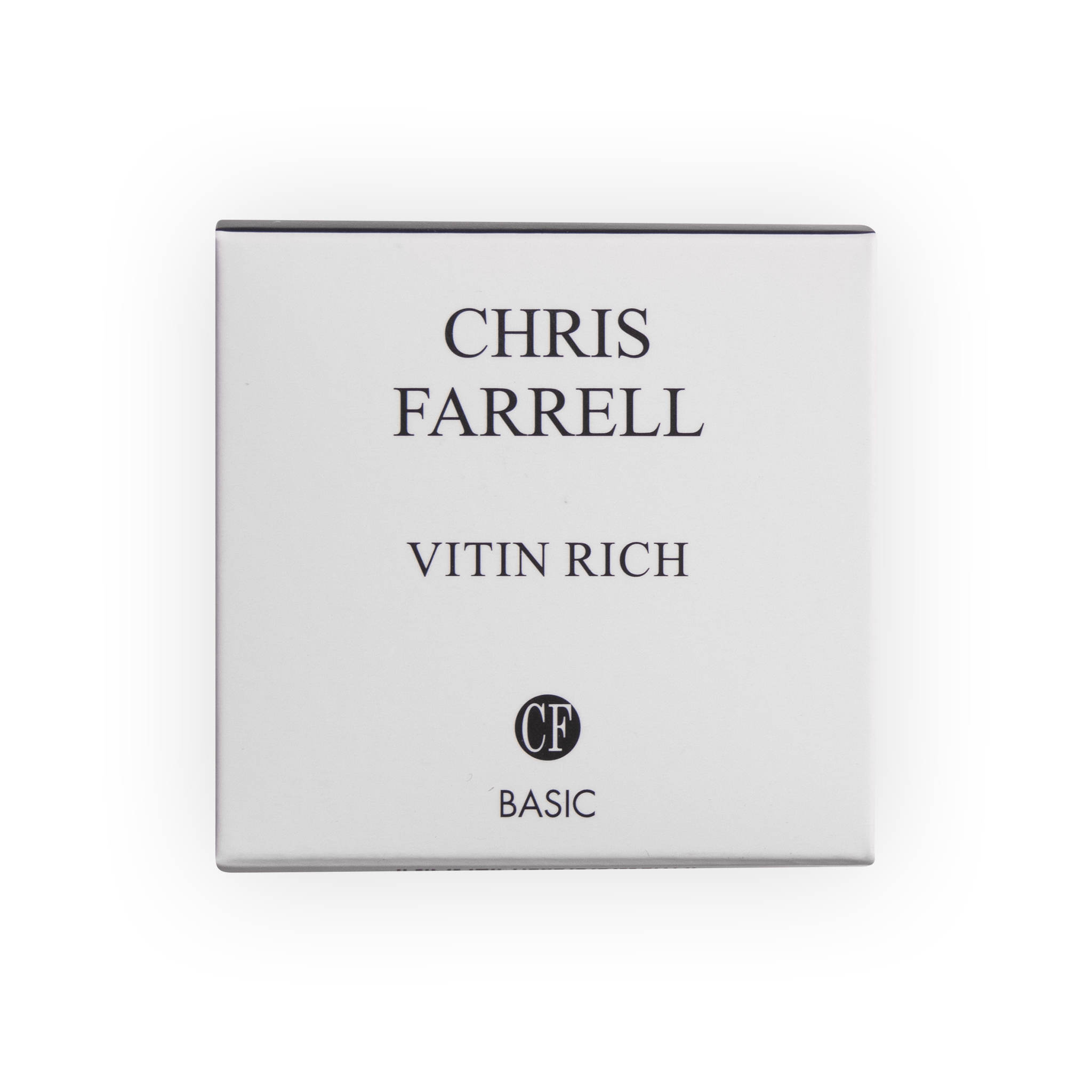
- Vitin Rich: A rich Keratosis Pilaris cream for dry body areas, designed to support the skin barrier and counteract renewed hardening.
Facial Cream for Keratosis Pilaris
Keratosis Pilaris can also affect the face, particularly the cheeks. Here the skin needs a particularly gentle facial cream for chicken skin that is neither too rich nor too drying.
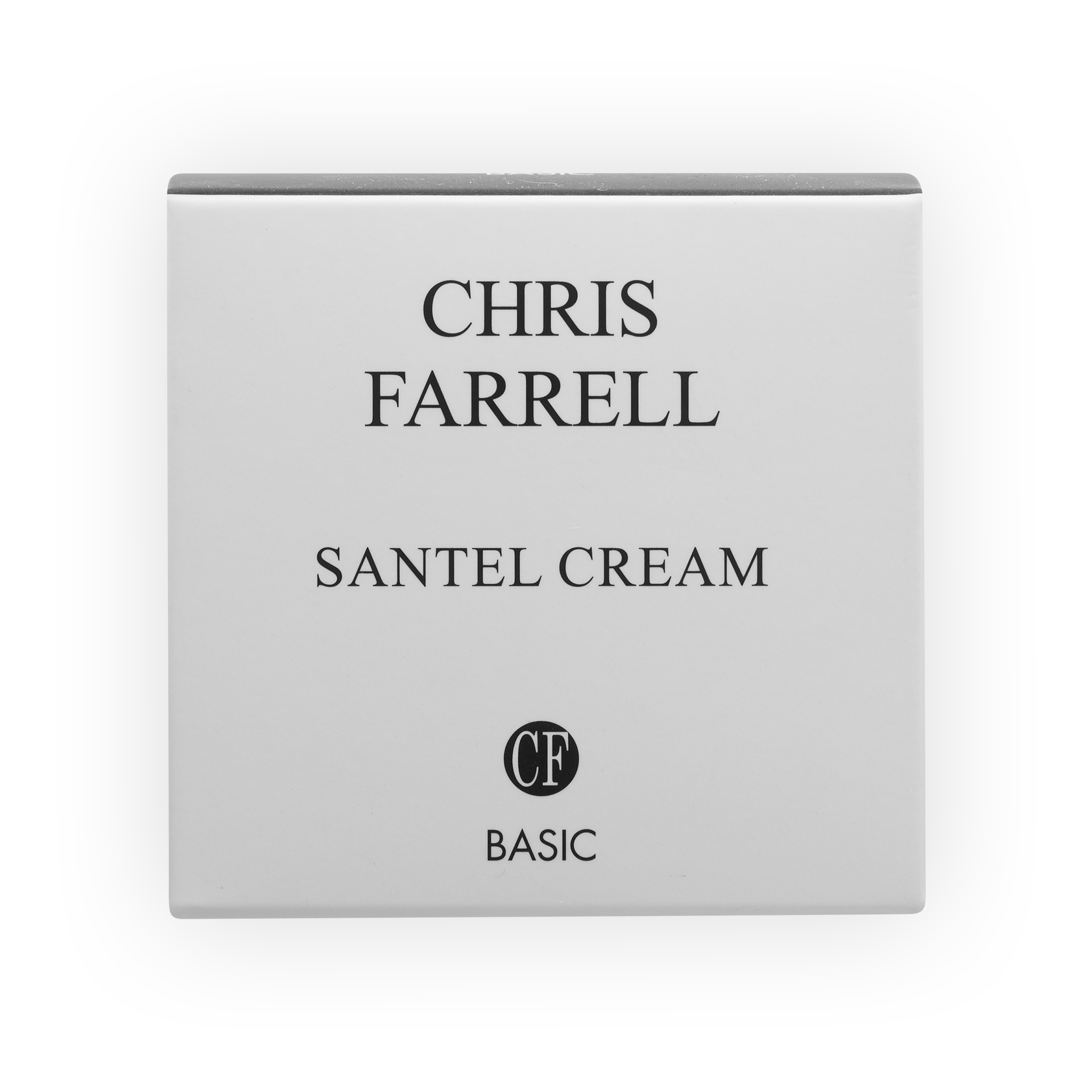
- Santel Cream: A gentle facial cream for Keratosis Pilaris, ideal for accompanying redness or sensitive areas on the face.
- Youth Agrum: Also suitable as a facial cream for chicken skin thanks to its gently exfoliating malic acid.
You can find further care for sensitive and reactive skin in our Sensitive Skin Collection.
Keratosis Pilaris Care: Oils & Bath Products
For pronounced dryness and Keratosis Pilaris on the arms, legs or feet, high-quality skin function oils and bath products can make a valuable complement to your daily Keratosis Pilaris cream – much like jojoba oil is known for its benefits in chicken skin care.
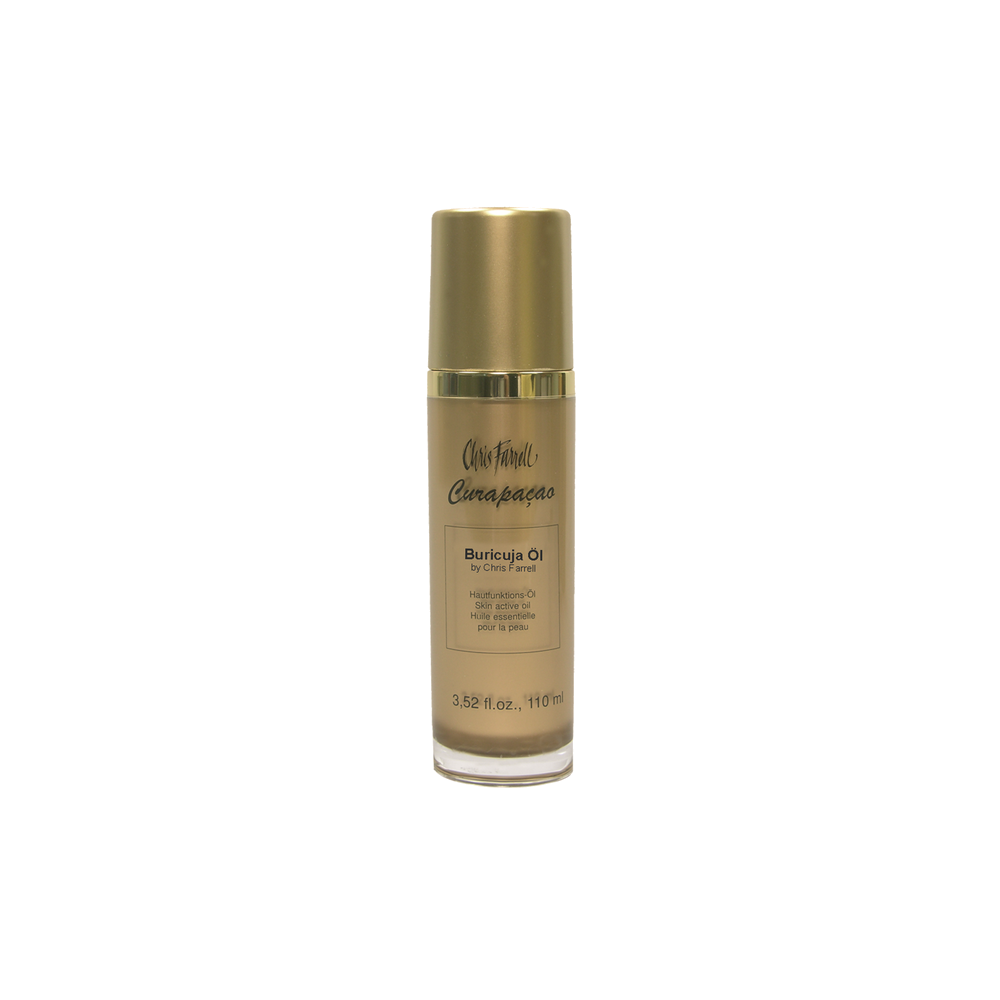
- Buricuja Oil: A revitalising body oil that intensively accompanies rough areas with plant-based lipids.
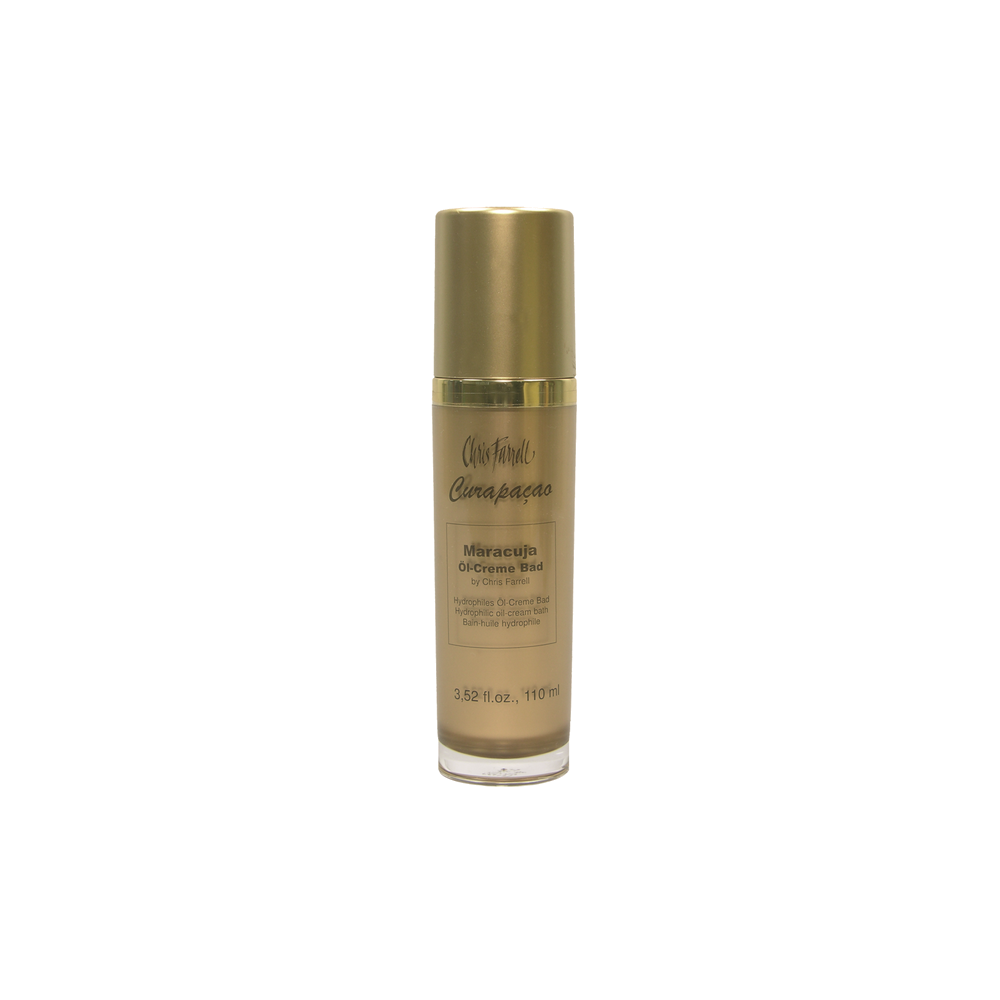
- Maracuja Oil Cream Bath: A nourishing cream bath that delivers replenishing ingredients during cleansing itself – ideal as the first step in your Keratosis Pilaris care routine.
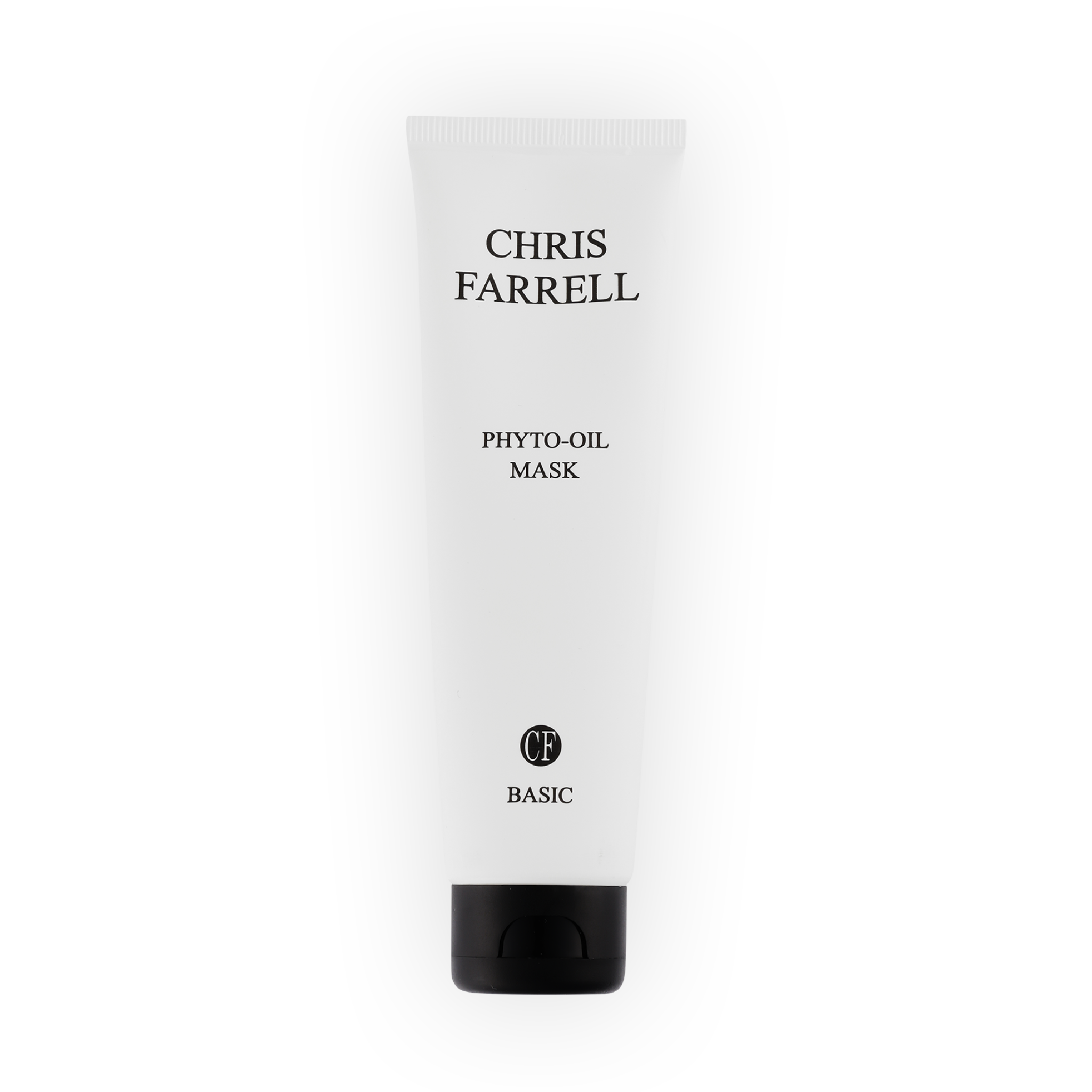
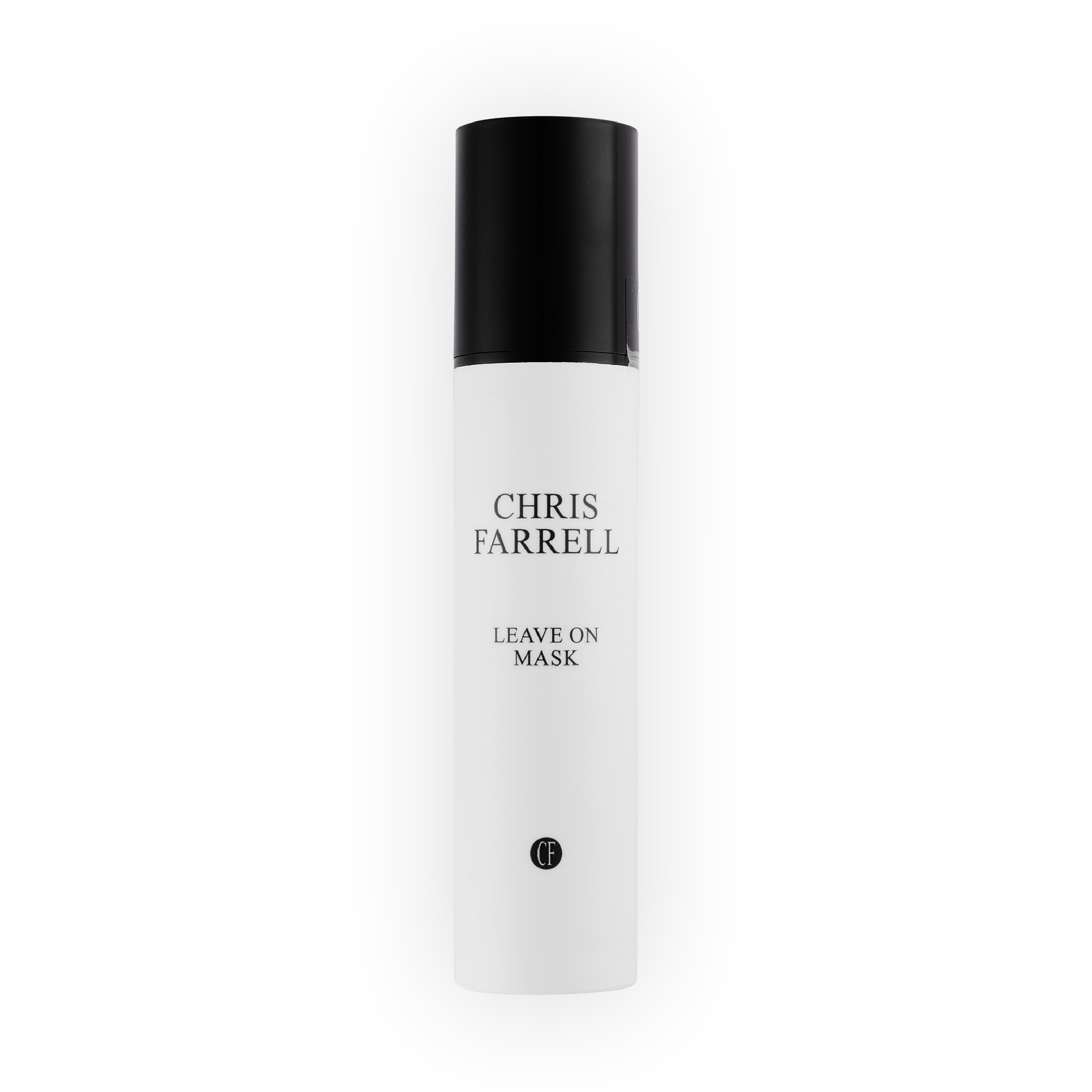
- Leave On Mask & Phyto-Oil Mask: As an intensive overnight treatment for particularly rough areas.
The CHRIS FARRELL Routine for Keratosis Pilaris
A consistent, coordinated routine is the most important factor with Keratosis Pilaris – a Keratosis Pilaris cream alone is not enough; the order and regularity of application make all the difference.
- Step 1 – Gentle Cleansing: Use replenishing oils instead of harsh shower gels while showering or bathing – Maracuja Oil Cream Bath | Buricuja Oil
- Step 2 – Keratolytic Care: Apply to still-slightly-damp skin after showering – this allows ingredients to absorb particularly well – Youth Agrum
- Step 3 – Replenishment & Barrier Protection: Finally, apply a rich Keratosis Pilaris cream to supply the skin with lipids – Vitin Rich
- Step 4 – Targeted Specialist Care (1–2x per week): As an intensive overnight mask for particularly rough areas – Leave On Mask | Phyto-Oil Mask
Not sure which care is right for your Keratosis Pilaris? The personal skin analysis from CHRIS FARRELL gives you an individual recommendation – tailored to your skin condition.
What Makes Keratosis Pilaris Worse?
To avoid placing additional strain on the skin's appearance, you should try to avoid typical Keratosis Pilaris triggers in your daily routine:
- Mechanical scrubbing: Rough exfoliating gloves or harsh body scrubs can cause micro-injuries and trigger stronger keratinisation as a protective response
- Hot, long showers: Strip the skin of valuable lipids and intensify dryness
- Heavily foaming shower gels & soaps: Attack the skin's natural acid mantle
- Dry indoor heating & cold: The skin's appearance often worsens in winter – a humidifier and a richer Keratosis Pilaris cream can help
- Tight, rubbing clothing: Continuous mechanical friction (e.g. from tight jeans) can additionally irritate the affected areas
You can find more care for dry and stressed skin in our Dry Skin Collection.


