
Urea is printed on countless cream tubes, sometimes at 5 %, sometimes at 10 %, sometimes even at 30 %. But what is urea exactly, how can it work on the skin and do you really need a urea cream? In this article, you will find out why urea is one of the most important moisturising factors in your skin and which concentration can make sense for the face and body.
Key facts at a glance:
- Urea is a substance naturally found in the skin: It is one of the skin’s natural moisturising factors and can bind water in the outer layer of the skin.
- The concentration determines the effect: At low doses, urea mainly provides moisture; from around 10 %, it can also smooth rough, keratinised skin.
- Low concentrations are enough for the face: Up to around 5 % urea is considered well tolerated by facial skin.
- Urea can sting: especially on irritated, cracked or inflamed skin.
- Urea can work particularly well as part of a team: together with other moisturising factors such as glycerin, hyaluronic acid or lactic acid and nourishing lipids.
What is urea?
Urea is the international name (INCI) for carbamide, a compound also known in German as Harnstoff. It may not sound glamorous at first, but it is one of the most proven ingredients in skincare. That is because urea is a natural component of your skin: it is part of the so-called Natural Moisturizing Factor (NMF), a mixture of water-binding substances in the outermost layer of the skin. Besides urea, these include amino acids, lactic acid (lactate) and pyrrolidone carboxylic acid (PCA).
Urea: what exactly is it in cosmetics?
In creams and lotions, urea is produced synthetically. This makes it identical to the skin’s own substance, pure, odourless and consistent in quality. Interesting fact: dry skin often contains significantly less urea than balanced skin. This is exactly where skincare with urea comes in.
You can find more about urea and many other ingredients in our ingredients lexicon.
How does urea work on the skin?
Urea is a true all-rounder. Depending on its concentration, it can take on different tasks:
- Binding moisture: Urea attracts water and holds it in the outer layer of the skin. The skin can feel softer and more supple.
- Supporting the skin barrier: A well-hydrated outer skin layer can be more resilient and lose less moisture.
- Loosening keratinisation: At higher concentrations, urea can loosen the bond between horny cells. Rough, flaky areas can be gently smoothed.
- Relieving the feeling of dryness: Once the skin is sufficiently supplied with moisture again, it can feel less tight and noticeably more comfortable.
- Better absorption of ingredients: Urea can improve the absorption of other ingredients into the skin. This is usually an advantage, but for sensitive skin it is a reason to take a closer look.
The result: The skin can look smoother and plumper and feel less dry.
What are the benefits of urea in skincare?
Compared with many other moisturisers, urea has one clear advantage: it occurs naturally in the skin and, at low concentrations, is well tolerated by most skin types. At the same time, it is extremely versatile and can be found in light facial care products as well as in intensive foot creams.
Urea 5 %, 10 % or 30 %: which concentration is right?
With urea, more is not automatically better. The concentration determines what a urea cream is suitable for:
| Concentration | Possible effect | Suitable for |
|---|---|---|
| up to 5 % | can provide moisture and make the skin supple | face, normal to dry skin, daily care |
| 5 to 10 % | can provide intensive moisture and smooth slight roughness | dry skin on the body, hands, elbows |
| 10 to 20 % | can also smooth rough, flaky areas | very dry, rough body skin, e.g. legs or keratosis pilaris |
| from 20 % (up to 40 %) | can loosen heavy keratinisation | heels and calluses on the feet, targeted use only |
Urea for dry skin: what percentage makes sense?
For dry facial skin, a low concentration of up to around 5 % is usually enough, embedded in a formula with other moisturising factors and nourishing lipids. Dry skin on the body can take more: creams and lotions with 5 to 10 % urea can intensively moisturise legs, arms and hands. Concentrations from 10 % are intended for particularly rough areas, not for large-scale care of sensitive skin.
Our advice: Start with a low dose and only increase it if your skin tolerates it well and you would like a stronger smoothing effect.
Urea on the face: which urea cream is suitable?
Yes, urea can also be suitable for facial care if the dosage is right. Facial skin is thinner and more sensitive than the skin on the body or feet. That is why the rule is: use urea on the face at a low dose, ideally up to around 5 %.
Which skin is a urea cream suitable for?
- Dry and dehydrated skin: Urea can bind moisture and relieve feelings of tightness. You can find suitable care under face cream for dry skin.
- Mature skin: The moisture content of the skin decreases over the years. Urea can help the outer skin layer retain water and make the skin look plumper. Find out more under face cream for mature skin.
- Oily skin lacking moisture: Oily skin can be thirsty too. A light emulsion with urea can provide moisture without feeling greasy.
- Rough, flaky areas on the body: At higher doses, urea can smooth rough areas, for example with keratosis pilaris.
What should you look for in a urea face cream?
- Moderate concentration: Low doses are perfectly sufficient for the face.
- Balanced formula: Urea can work best together with other moisturising factors and lipids that keep moisture in the skin.
- Suitable texture: Light emulsions for normal to oily skin, richer creams for dry skin.
- Avoid the eye area: High-dose urea products do not belong on the sensitive eye area.
Can urea sting on the skin?
Yes, that can happen. A slight stinging or tingling can occur especially when the skin barrier is weakened, for example on cracked, sore or irritated skin.
Here is why: Through the weakened areas, urea can reach deeper layers of the skin more quickly and cause an unpleasant sensation there. The higher the concentration, the more likely you are to feel it.
What you can do:
- Switch to a lower concentration.
- Do not apply urea to open, inflamed or freshly shaved areas.
- Give your skin a break first, for example with care from the collection strengthen your skin barrier, and then slowly reintroduce urea.
If the stinging persists or the skin becomes very red, stop using the product.
Who is urea less suitable for?
- Babies and toddlers: Their skin is particularly permeable. Higher-dose urea products are not suitable for them. If in doubt, ask your paediatrician.
- Acutely irritated skin: Better to rely on gentle care here, for example from our collection skincare for irritated skin, and only introduce urea later at a very low dose.
- Open or inflamed skin: Urea does not belong on wounds or severely inflamed areas.
- For skin conditions such as atopic dermatitis or psoriasis: discuss the right care with your dermatologist.
Combining urea with other ingredients
Urea is a team player. It can complement the following particularly well:
- Glycerin and lactic acid (sodium lactate): further moisturising factors that can bind water in the skin together with urea. You can find suitable products under skincare with glycerin.
- Hyaluronic acid: can bind moisture mainly on the skin’s surface and visibly plump the skin.
- Niacinamide: can support the skin barrier and contribute to a more even complexion. Find out more under skincare products with niacinamide.
- Nourishing oils and lipids such as avocado oil or shea butter: they form a protective layer on the skin and can help keep the bound moisture in the skin.
Be careful with: highly irritating ingredients such as high-dose fruit acids or retinol. As urea can improve the absorption of other substances, such combinations can overwhelm sensitive skin. It is better to use them at different times, for example retinol in the evening and urea care in the morning.
Urea or hyaluronic acid: which is better for dry skin?
The honest answer: you do not have to choose. Both substances can bind moisture, but they work differently:
- Urea occurs naturally in the skin, works in the outer skin layer, can make it more supple and, at higher doses, smooth rough areas.
- Hyaluronic acid can bind large amounts of water, mainly on the surface, and make the skin look plumper immediately.
For very dry, rough skin, urea can score points; for a quick boost of freshness on the face, hyaluronic acid is a good choice. Together, the two can work particularly well. Read more in our article Hyaluronic acid: your skin’s natural moisture booster.
How to use urea cream correctly
- Apply to cleansed skin: in the morning and/or evening after cleansing and toner.
- Use on slightly damp skin: On skin that is still slightly damp, urea can bind moisture particularly well.
- Adjust the dosage: a low dose for the face, more is fine for the body, hands and feet.
- Use regularly: Urea can work best when used daily.
- Avoid sensitive areas: the eye area, mucous membranes and irritated areas.
- Wash your hands after using high-dose products: This way, nothing accidentally gets into your eyes.
Urea in Chris Farrell skincare
At Chris Farrell, urea does not work alone but is part of a carefully balanced formula. In our moisturising products, we combine urea with other moisturising factors naturally found in the skin, such as sodium lactate, sodium PCA and amino acids. This combination is based on the skin’s natural moisture system, entirely in the spirit of our physiological skincare: supporting the skin without overwhelming it.
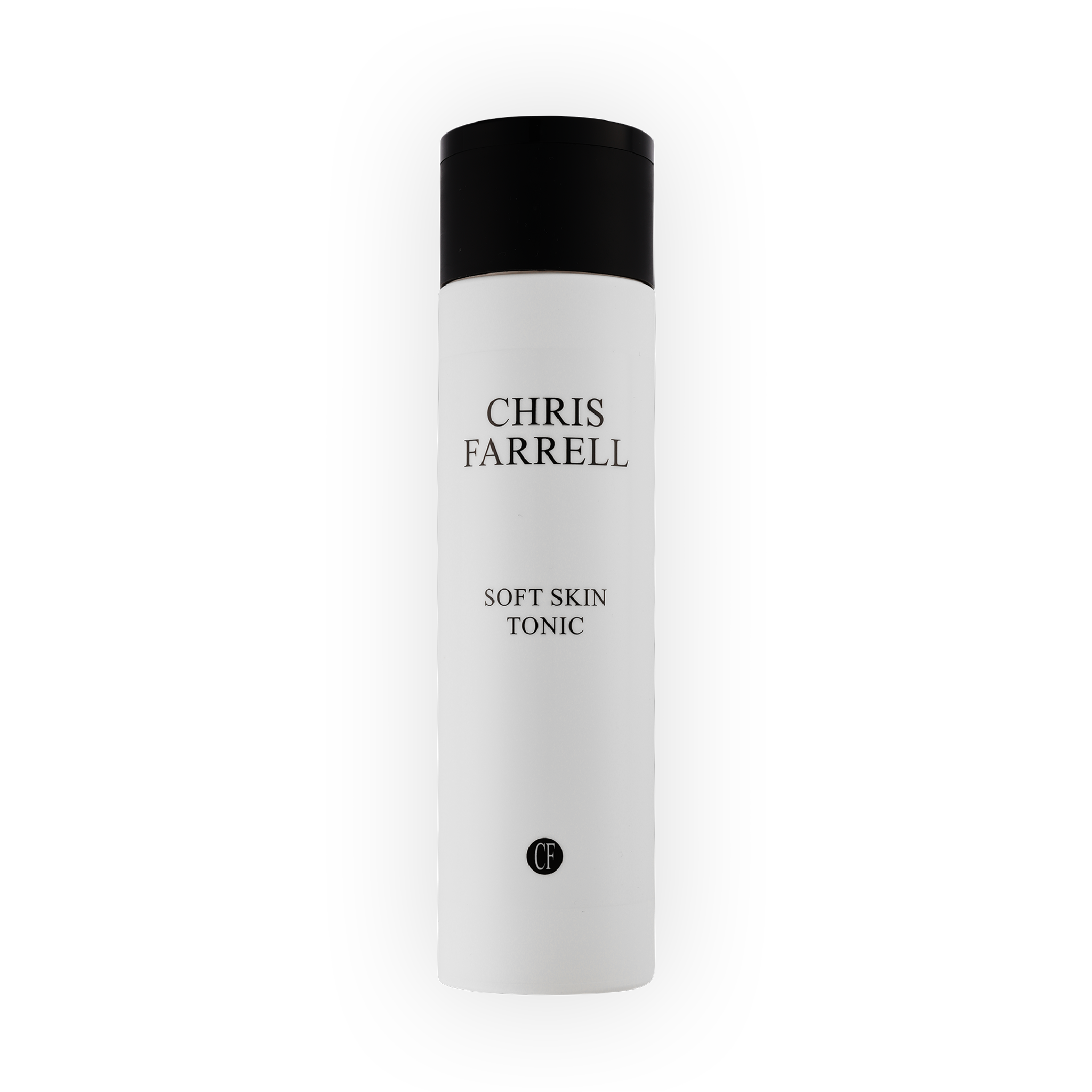
Step 1: Prepare the skin with Soft Skin Tonic
Soft Skin Tonic is an alcohol-free facial toner with rose extract, urea, sodium lactate and proline. It is designed to soothe the skin, refine the pores and make it receptive to the following care. Ideal for normal, sensitive, dehydrated and mature skin.
Step 2: Light moisturising care with Moon Drops
Moon Drops is a delicate oil-in-water emulsion with urea, sodium lactate, sodium PCA and proline. It can balance a lack of moisture without leaving a visibly greasy finish and is suitable for every skin type, including oily skin lacking moisture.
Step 3: Intensive care with Dew Drop Moisture Mask
In Dew Drop Moisture Mask, urea is one of the main ingredients, combined with avocado oil. The mask can regulate transepidermal water loss and can make the skin appear smoother, more refined and dewy fresh. It is suitable for dehydrated, sensitive and sun-stressed skin.

You can find all products for thirsty skin in our collection skincare for dehydrated skin.
Conclusion: what a urea cream can do for your skin
Urea is one of the most proven moisturisers because it is not foreign to your skin. The right concentration is key: at low doses, urea is suitable for daily facial care; at higher doses, for rough areas on the body and feet.
What matters: a balanced formula that combines urea with other moisturising factors and nourishing lipids and suits your skin’s condition.
FAQ: what else you should know about urea
Our skin experts at Chris Farrell answer your most frequently asked questions about urea.


