


What is AHA? The most important AHAs at a glance
AHA stands for alpha hydroxy acids, often also called fruit acids. AHA acid is water-soluble and works on the skin’s surface. In cosmetics, AHAs are used very differently depending on their concentration: in high doses as a peel, in low doses as a moisturiser or to adjust the pH value. What makes AHA creams so popular: they can loosen dead skin flakes, smooth rough patches and make the complexion look more even and fresh. Lactic acid also binds moisture. The result can be smoother, more radiant skin that feels supple. The best-known AHAs:
- Glycolic acid: the smallest AHA molecule, a typical ingredient in peels and fruit acid treatments
- Lactic acid: milder than glycolic acid and also moisture-binding, which is why it is often found in care for dry and sensitive skin
- Malic acid: occurs naturally in apples and is considered a mild fruit acid
- Mandelic acid: a large molecule that is considered particularly gentle
In short: glycolic acid stands for intensive peels, lactic acid for gentle AHA skin care that puts moisture first. A classic fruit acid cream with a peeling effect contains significantly higher concentrations.
Lactic acid in skincare: moisture or peel?
Whether a fruit acid peels the skin depends on the type and concentration of the acid, the pH value and the other ingredients. In high doses and acidic formulations, AHAs loosen dead skin flakes. In low concentrations, lactic acid takes on a different role: it is part of the skin’s own moisturising factors, the NMF (Natural Moisturizing Factor). For lactic acid on the skin, the rule is: the dosage determines its role.
This is exactly how Chris Farrell uses lactic acid. In our lactic acid cosmetics, it is part of a moisturising complex together with urea, sodium lactate, sodium PCA and amino acids such as glycine and proline. This complex is designed to bind moisture in the skin and support the skin barrier, often complemented by glycerin and niacinamide. This is what sets our skincare with AHA apart from typical AHA cosmetics with a focus on peeling.
Which skin is care with lactic acid suitable for?
Lactic acid is considered a particularly mild AHA and is therefore very versatile. Care with lactic acid for the face is especially suitable for:
- Dry and dehydrated skin, which struggles to retain moisture. Find out more under dehydrated skin and dry skin
- Mature skin, whose moisturising factors decrease over the years
- Sensitive skin, which reacts with irritation to stronger acids
- Blemished skin, when the skin’s balance is disturbed. For blackheads and clogged pores, BHA is the more targeted choice. Find out more under blemished skin & acne
Lactic acid cream & care from Chris Farrell
These products contain lactic acid as part of a moisturising complex:
- Moon Drops: light moisturising emulsion with lactic acid, urea and niacinamide, suitable for all skin types and for day and night
- CPR 1 Eyelid Cream: balancing care for the sensitive eye area with a lactic acid salt in the moisturising complex
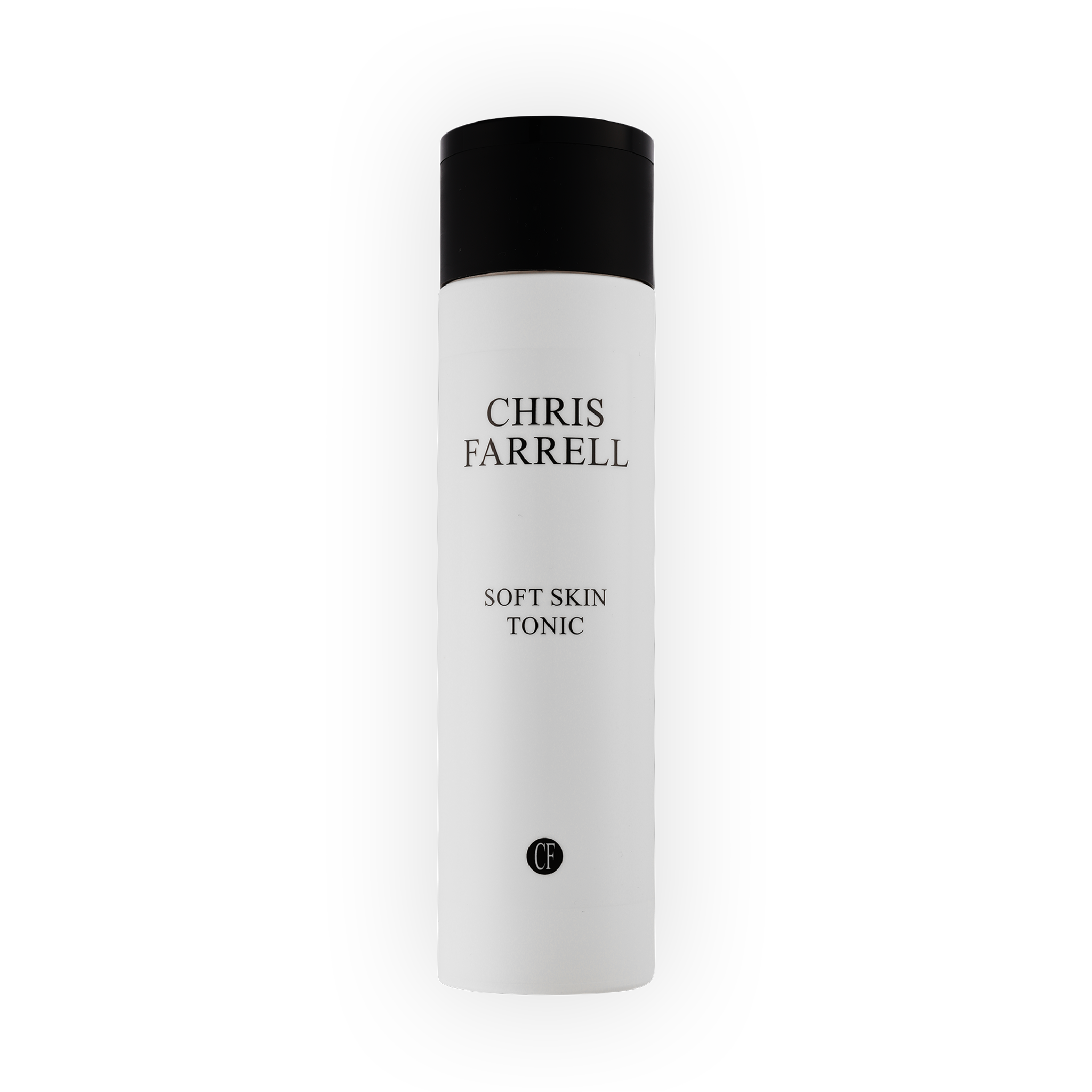
- Soft Skin Tonic: alcohol-free tonic with lactic acid, urea and sodium PCA that prepares the skin for the next care steps
- Clear Skin: transparent gel with lactic acid, designed to support the skin microbiome
How lactic acid fits into your routine: after cleansing, apply the Soft Skin Tonic, then Moon Drops for the face and CPR 1 for the eye area. As AHAs can increase the skin’s sensitivity to light, sun protection such as Sun Protect 30 is a must in the morning. You can find more care under Tonic and Eyes.
Not sure which care is right for you? Our skin analysis gives you an individual recommendation.


