
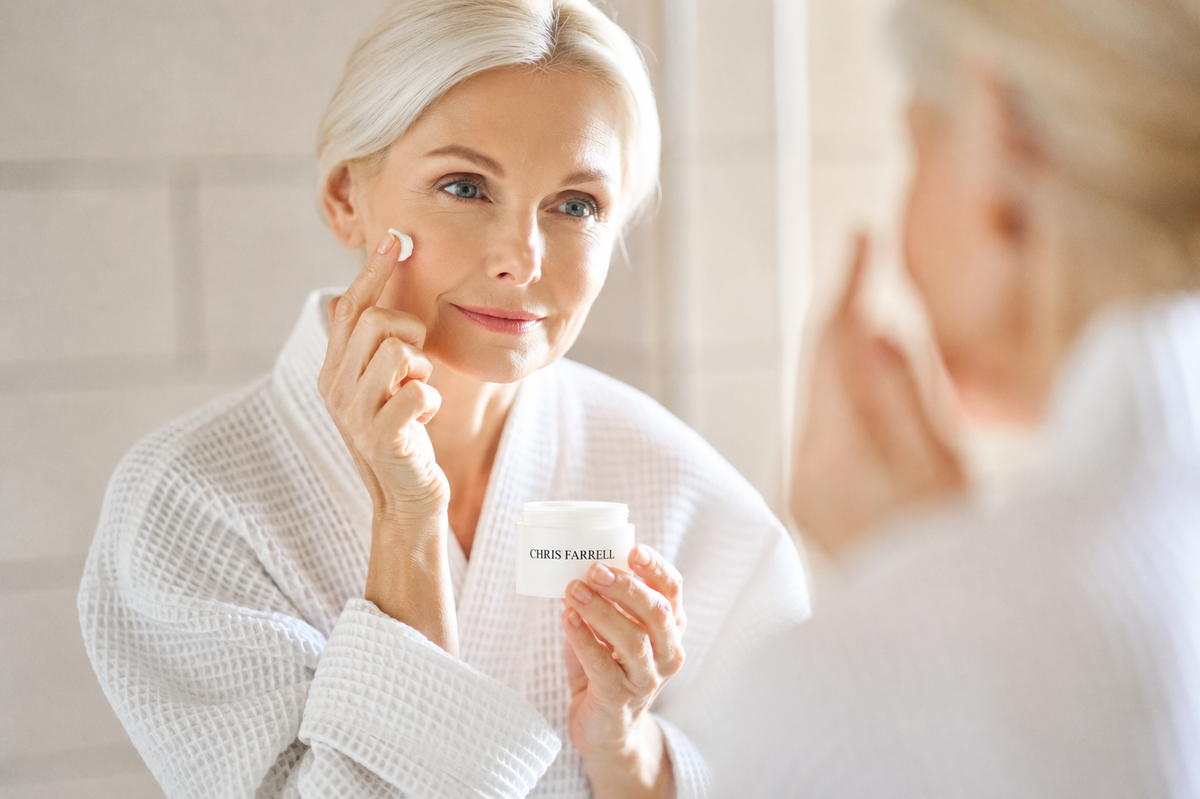
Menopause doesn't just change your cycle and your sense of well-being – it changes your skin, too. Suddenly it feels tight, reddens more quickly or breaks out again, even though your usual skincare worked well for years. Many women notice these menopausal skin problems on the face first, often long before other symptoms appear. In this article, you'll find out why your skin changes during menopause, which skin problems are typical and what care it needs now.
Key Facts at a Glance
- Typical skin problems: dry skin, red patches, itching, pimples, enlarged pores, new intolerances, pigmentation spots and loss of firmness
- Cause: Hormonal changes affect moisture, sebum production and skin density
- What your skin needs now: a strengthened skin barrier, mild care without irritants and daily sun protection
Why Does the Skin Change During Menopause?
The skin reacts very directly to hormones. When the hormonal balance shifts during menopause, this often shows on the face too.
- Oestrogen: This hormone is involved in collagen formation and helps the skin retain moisture. When oestrogen levels drop, the skin becomes thinner, drier and less elastic.
- Progesterone: When it decreases, the skin produces less sebum and loses part of its natural protective film.
- Androgens: As oestrogen falls, the so-called male hormones gain relative influence. In some women, this can encourage blemishes again.
- Hot flushes: These are among the most common menopausal symptoms. The blood vessels briefly dilate, and a hot flush can leave the skin blotchy and red.
That is exactly why seemingly contradictory skin problems can occur at the same time during menopause: dry cheeks and pimples on the chin, tightness and enlarged pores in the T-zone. You will also find suitable care for this stage of life in our Skincare Over 50 range.
Which Skin Problems Are Typical During Menopause?
Not every woman experiences the same skin problems during menopause, and not all of them occur at the same time. These changes are particularly common:
Dry Skin During Menopause
Dry skin during menopause is one of the most common changes. The skin feels tight, looks dull and develops fine flakes and dryness lines. Often it is not only the face and décolleté that are affected, but also the shins and hands. The reason: the skin produces fewer lipids and natural moisturising factors and is less able to retain water.
Red Patches and Flushed Skin During Menopause
Red patches on the skin during menopause are often caused by hot flushes. According to the German Association of Gynaecologists, these affect up to 85 per cent of women. Typical are sudden red patches on the face, neck and décolleté that fade again after a few minutes. If the redness persists, or fine visible veins or small pustules appear, couperose or rosacea may be behind it. You should have this checked by a dermatologist. In acute moments, a cooling gel such as Fibra Gel can feel pleasantly refreshing. You will find more care under Facial Redness and Rosacea.
Itching and Itchy Skin During Menopause
As the skin becomes drier and thinner, it reacts more quickly to irritants. Itching during menopause can occur on the face as well as on the body, and some women also feel a tingling sensation. Lipid-replenishing care can help the skin feel supple again, for example the lightweight Moon Drops for face and body or Buricuja Oil for the body. If the itching persists for no apparent reason, you should have it checked by a doctor.
Blemished Skin and Pimples During Menopause
Many women are surprised when pimples suddenly appear again. Blemished skin during menopause often shows up as pimples under the skin, especially around the chin and mouth. Important: drying products from your teenage years are not a good choice now, as the skin is drier at the same time. Skin Balancer is a non-greasy care product specially designed for restless, blemish-prone skin. You will find more products under Blemished Skin & Acne.

Enlarged Pores During Menopause
Over the years, cell renewal slows down. Dead skin cells stay on the surface for longer, which makes the pores look larger. Many women experience combination skin with dry cheeks and an oily T-zone. For enlarged pores during menopause, a deep-cleansing mask such as Desincrusting Mask can absorb excess sebum, while Soft Skin Tonic with niacinamide complements your daily care. Find out more under Enlarged Pores.
Sensitive Skin and Sudden New Intolerances
A cream you have used for years suddenly stings? That is not unusual during menopause. The skin barrier becomes more permeable, and fragrances, alcohol or harsh surfactants are tolerated less well. During this phase, reduce your skincare to a few mild products and always introduce new ones one at a time. Sensitive Skin Tonic is designed to soothe sensitive skin and support its natural barrier function. More under Sensitive Skin.
Pigmentation Spots and Uneven Skin Tone
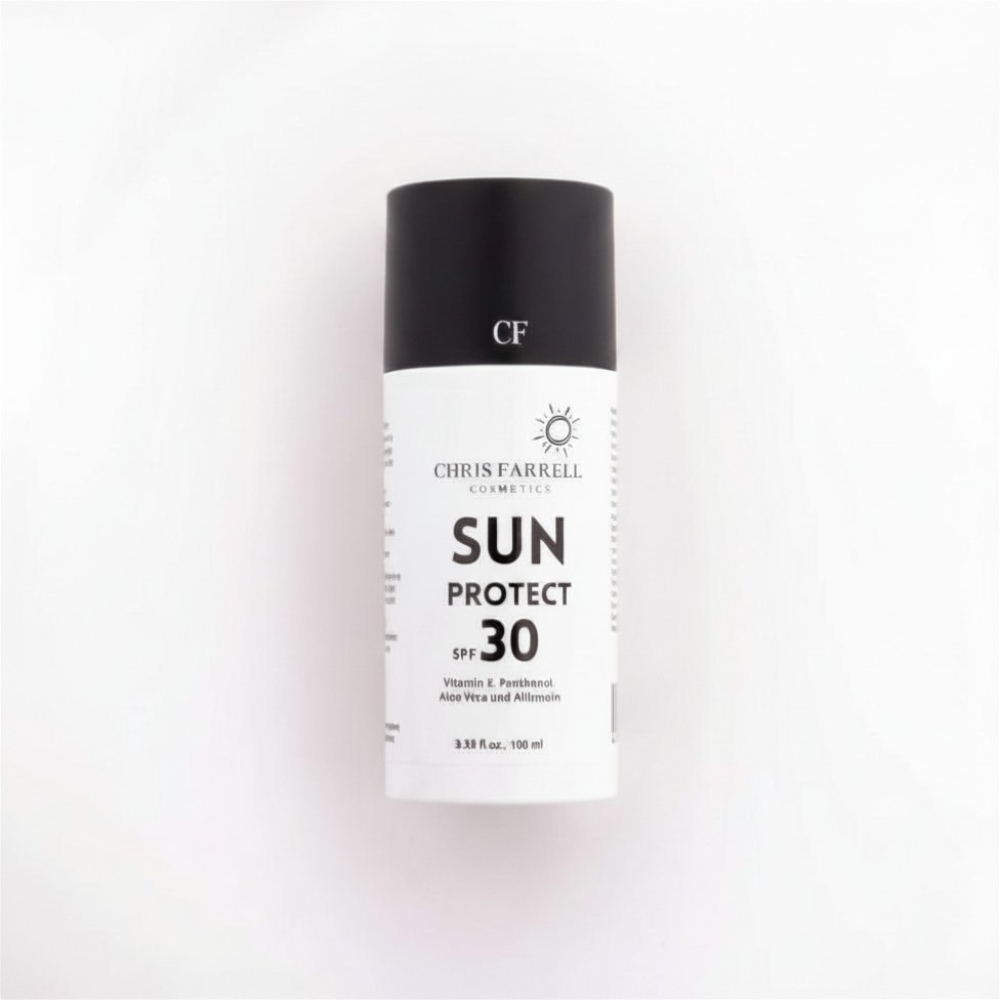
Hormonal fluctuations and years of UV exposure can lead to pigmentation spots and an uneven skin tone. Consistent sun protection such as Sun Protect 30 is the most important step here. Applied locally, Concentrate Mela Light with seven plant extracts can complement your care. You will find all products under Pigmentation Spots.
Loss of Elasticity, Firmness and Moisture
As oestrogen levels fall, collagen formation also decreases. The skin loses firmness, contours soften and it looks thinner overall. Peptides are designed to support the body's own collagen formation, for example in Soft Regeneration 2. Find out more under Anti Aging and Collagen. If your skin becomes very thin and fragile, you will find more tips in our article on parchment skin.

What Care Does the Skin Need During Menopause?
The good news: most skin problems during menopause can be well supported with adapted care. These basic principles apply to almost all skin:
- Strengthen the barrier instead of overloading it: Above all, the skin now needs protection. Fewer, well-tolerated products are better than a long routine.
- Cleanse gently: Soap-free cleansing without harsh surfactants protects the acid mantle.
- Replenish lipids and moisture: Squalane, shea butter, plant oils and hyaluronic acid replace what the skin produces less of itself.
- Avoid irritants: Strong fragrances, alcohol and coarse scrubs can put additional strain on sensitive skin.
- Daily sun protection: It helps prevent pigmentation spots and protects the thinning skin from UV radiation.
- During hot flushes: Choose light, cooling textures; a cool cloth on the back of the neck can help. Hot drinks, alcohol and spicy food can intensify redness.
Your skincare can change along with the phases of menopause. Review your routine regularly and adjust it when your skin feels different.
Dry Skin During Menopause: Which Cream Is Suitable?
With dry skin during menopause, a light moisturiser is often no longer enough. A suitable cream should:
- contain lipids such as squalane, shea butter or plant oils that support the natural protective film
- bind moisture with ingredients such as hyaluronic acid, glycerin or urea
- be rich but not heavy, so that the pores don't become clogged
- avoid strong fragrances, as the skin reacts more sensitively
Soft Regeneration 1 with shea butter and squalane is a good start for dehydrated, sensitive skin. Vitin Rich nourishes very dry skin with avocado oil and vitamin E. Concentrate Seristim Super with hyaluronic acid is ideal as a serum underneath. That answers the question of which cream suits dry skin during menopause. You will find more products under Dry Skin.
The Right Facial Care Routine During Menopause
Morning:
- Gentle cleansing, e.g. with Soft Skin Cleanser
- Tonic to balance and prepare
- Serum, e.g. with hyaluronic acid
- Cream to suit your skin's needs
- Sun protection as the final step → Sun products
Evening:
- Gentle cleansing
- Tonic
- Serum
- A slightly richer cream for overnight regeneration
1 to 2 times a week: a mask suited to your skin concern → Masks
Not sure which products suit your skin? Our skin analysis gives you an individual recommendation.
Skincare by Skin Concern: What Does My Skin Need?
| Skin concern | What the skin needs | Suitable care |
|---|---|---|
| Dry skin | Lipids and moisture | Dry Skin |
| Red patches & redness | Soothing, cooling, low irritation | Facial Redness |
| Itching | Lipid replenishment, mild care | Sensitive Skin |
| Blemished skin & pimples | Light, non-greasy care | Blemished Skin & Acne |
| Enlarged pores | Deep cleansing, balance | Enlarged Pores |
| New intolerances | A few mild products without irritants | Sensitive Skin |
| Pigmentation spots | Sun protection, targeted serum | Pigmentation Spots |
| Loss of firmness | Peptides, moisture | Anti Aging |
When Should Skin Changes Be Checked by a Doctor?
Most skin changes during menopause are harmless. However, you should have them checked by a doctor in these cases:
- Persistent redness, visible veins or pustules that may indicate rosacea
- Severe or persistent itching for no apparent reason
- Sudden, severe acne
- Spots that change in size, shape or colour or appear for the first time. The ABCDE rule of the German Cancer Information Service provides guidance. A spot that burns, itches or bleeds should also be seen by a dermatologist.
- Distressing menopausal symptoms in general: your gynaecologist can talk to you about treatment options.
Frequently Asked Questions About Skin During Menopause
Our CHRIS FARRELL skin experts answer your questions about skin problems during menopause.


